
Tuscany, a region in central Italy, is a tapestry of art, history, and mesmerizing landscapes.
It’s a place where each city tells its own story, each landscape inspires awe, and every meal is a celebration of flavors.
This guide will take you through the best places to stay in Tuscany, offering insights and tips to make your journey unforgettable.
Exploring Tuscany: A Journey to the Heart of Italy
My trip to Tuscany was more than just a visit; it was an unforgettable experience that lingered with me even after I returned home.

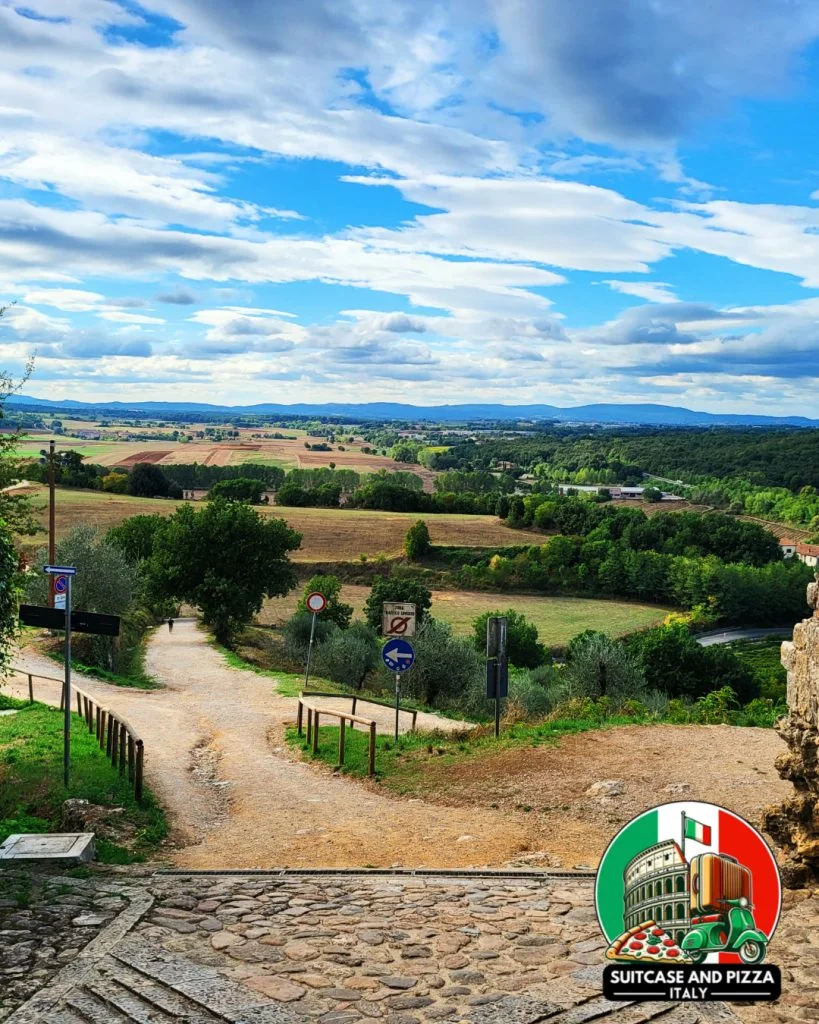
Its picturesque landscape, where rolling hills are adorned with vineyards and olive groves, captivated me.


Its rolling hills, dotted with vineyards and olive groves, are as much a part of its charm as its cities brimming with art and history.
I wandered through ancient, medieval streets, stood in awe before Renaissance masterpieces, and savored culinary delights that are renowned worldwide.
The Enchanting Landscape I Discovered in Tuscany
The Tuscan landscape felt like a vibrant painting come to life, with its lush valleys, imposing mountains, and tranquil beaches.
It provided a stunning setting for my romantic escape, a family holiday, or even a solitary retreat.

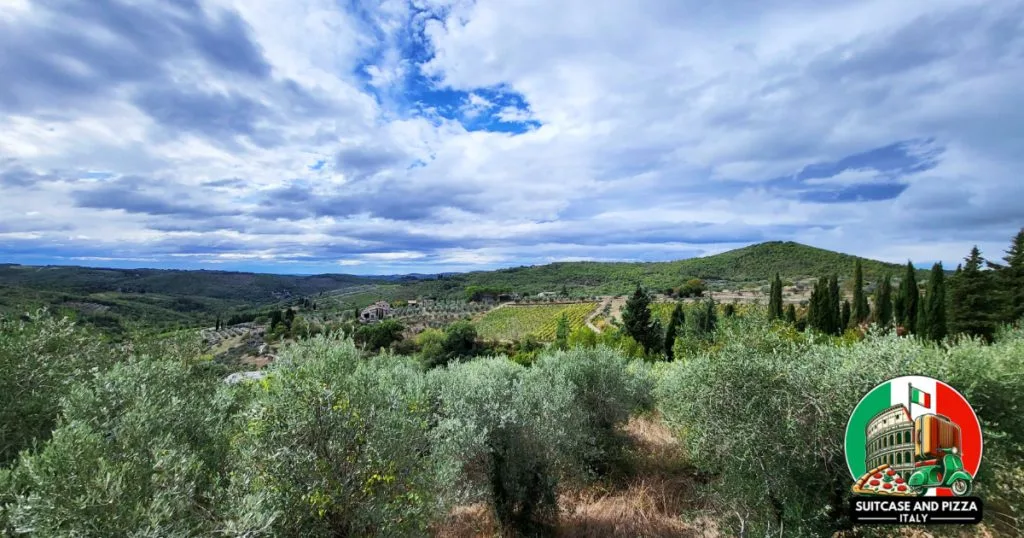
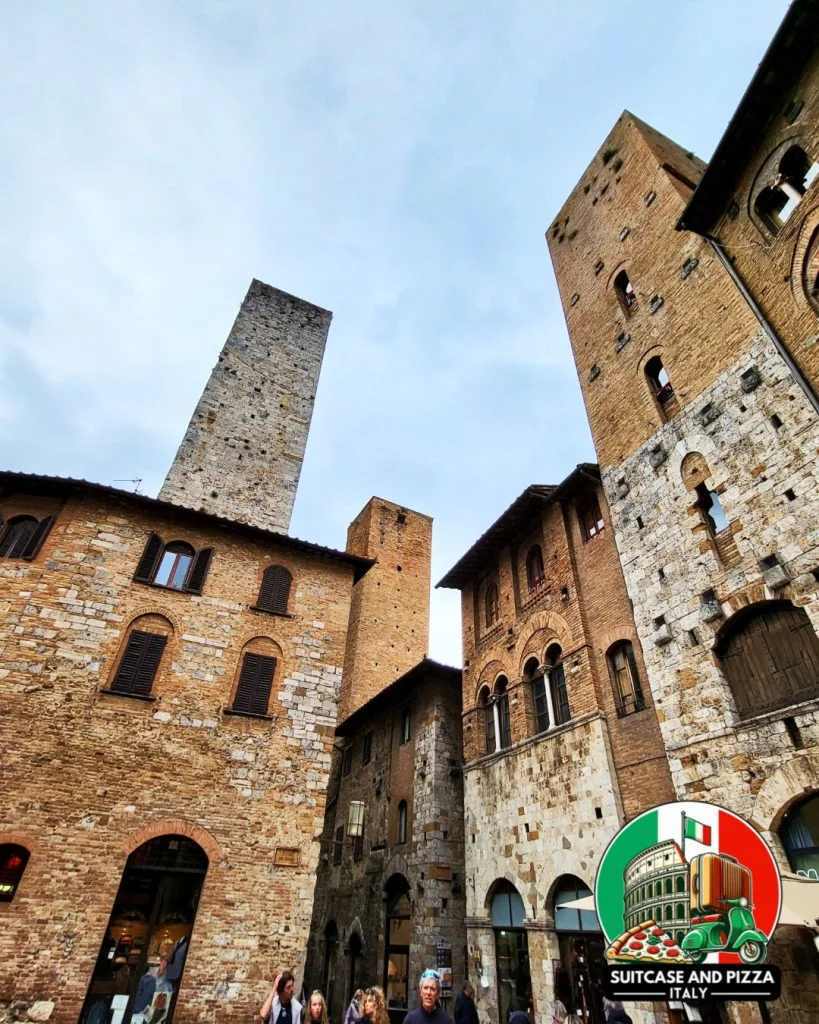
Watching the sunset over the Chianti hills or walking on the narrow streets of old towns with medieval towers like San Gimignano, I found myself constantly mesmerized by the scenery.


Experiencing Tuscany’s Rich History and Culture
As I explored, it became clear that Tuscany’s history is as deep and fertile as its soil.
Traces of the Etruscans, the Renaissance, and other eras are evident everywhere.

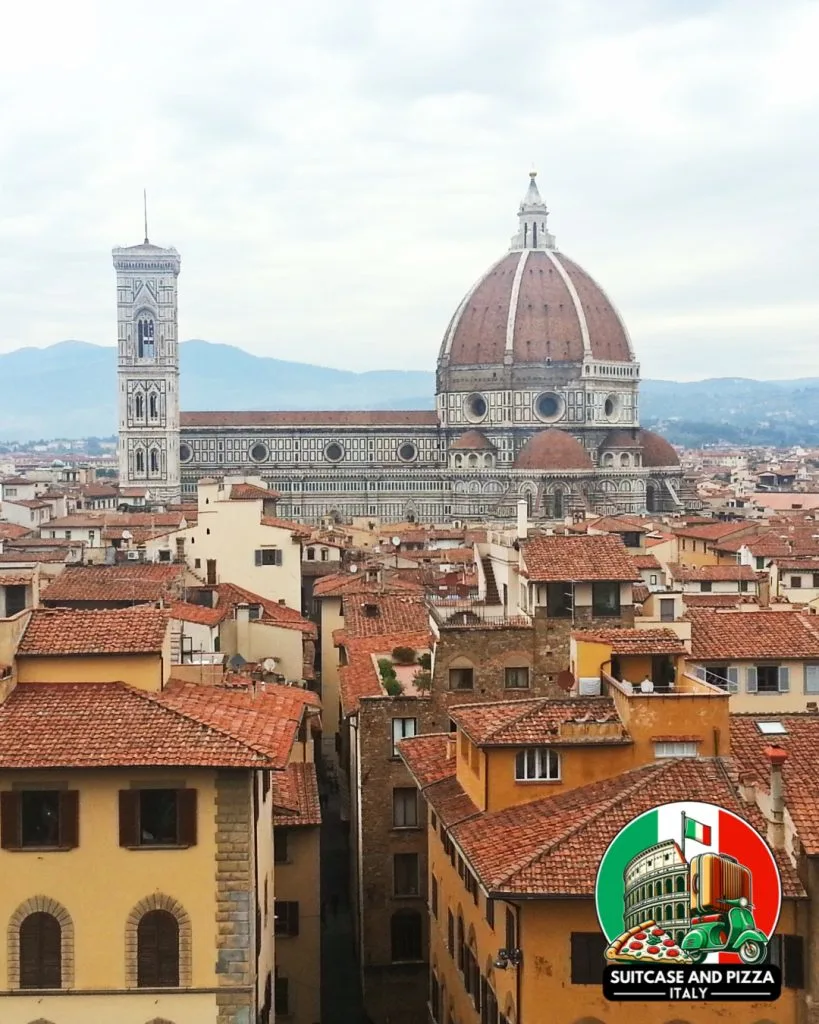
In cities like Florence and Siena, I felt like I was walking through living museums, filled with some of the world’s most renowned art and architectural marvels.

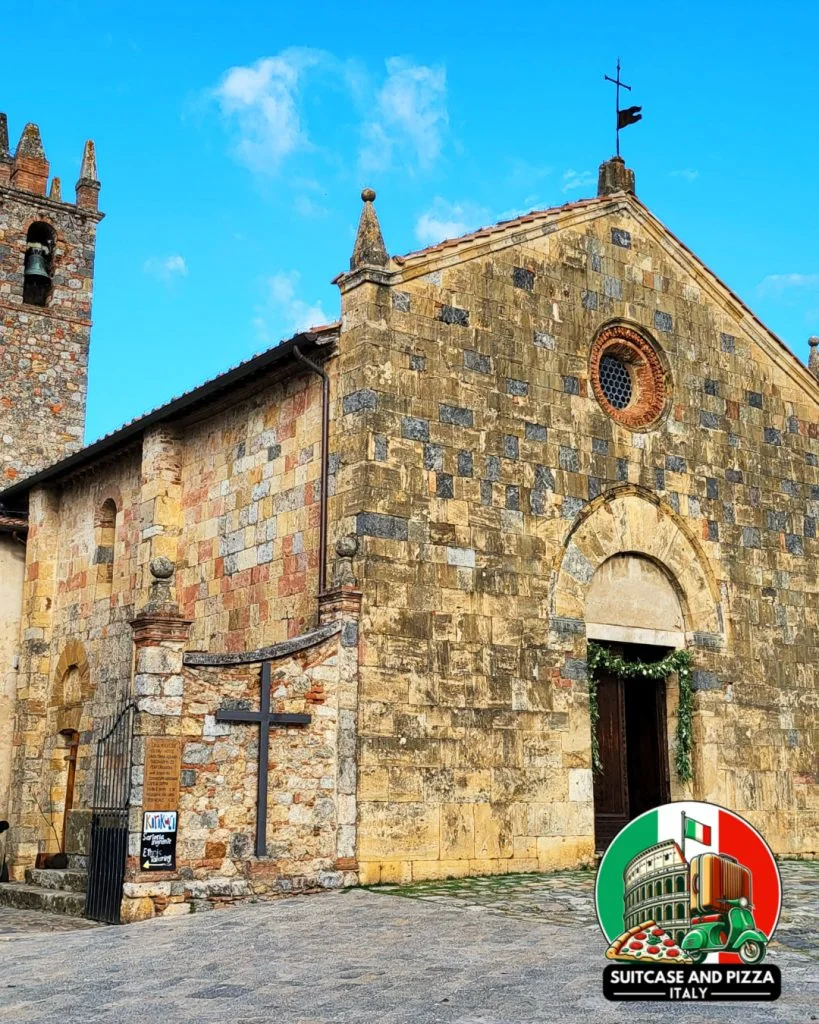
Tuscany wasn’t just a place to see; it was a rich cultural heritage that I had the privilege to immerse myself in it.
Types of Accommodations
Tuscany offers a variety of accommodations to suit every taste and budget. Whether you’re looking for luxury, comfort, or a rustic experience, you’ll find it here.
Luxury Villas: A Lavish Experience
For those seeking luxury, Tuscany’s villas offer unparalleled elegance and comfort.
These estates often come with private pools, exquisite gardens, and breathtaking views.

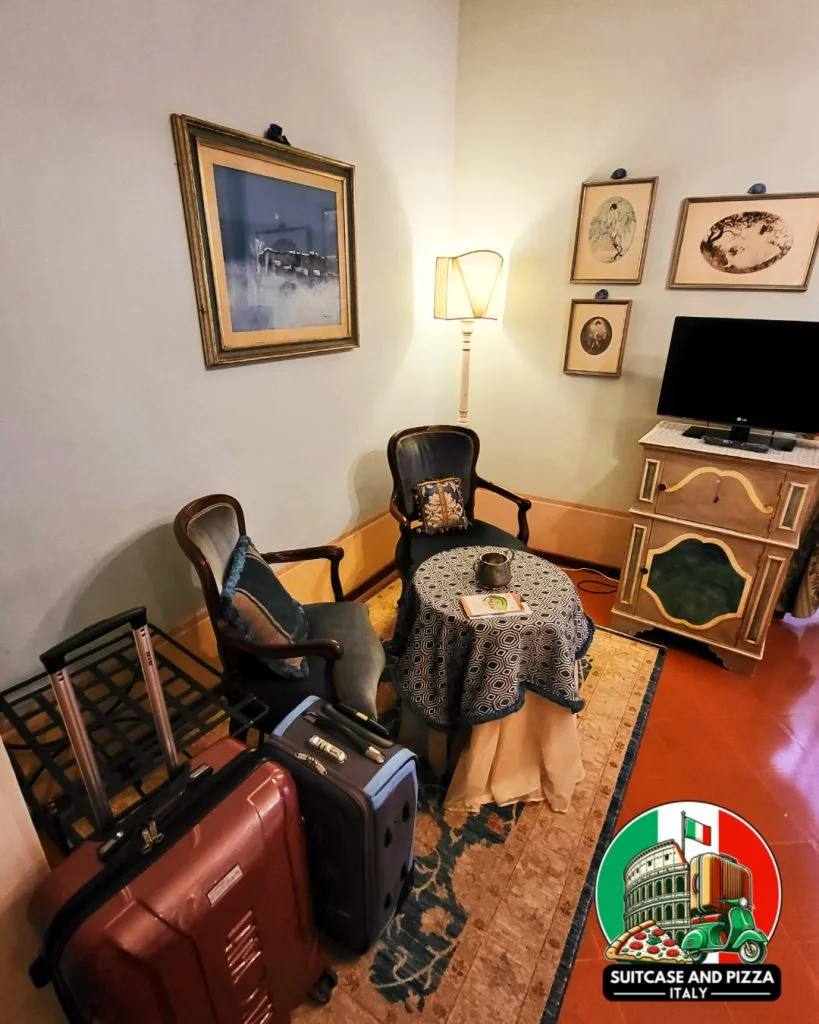

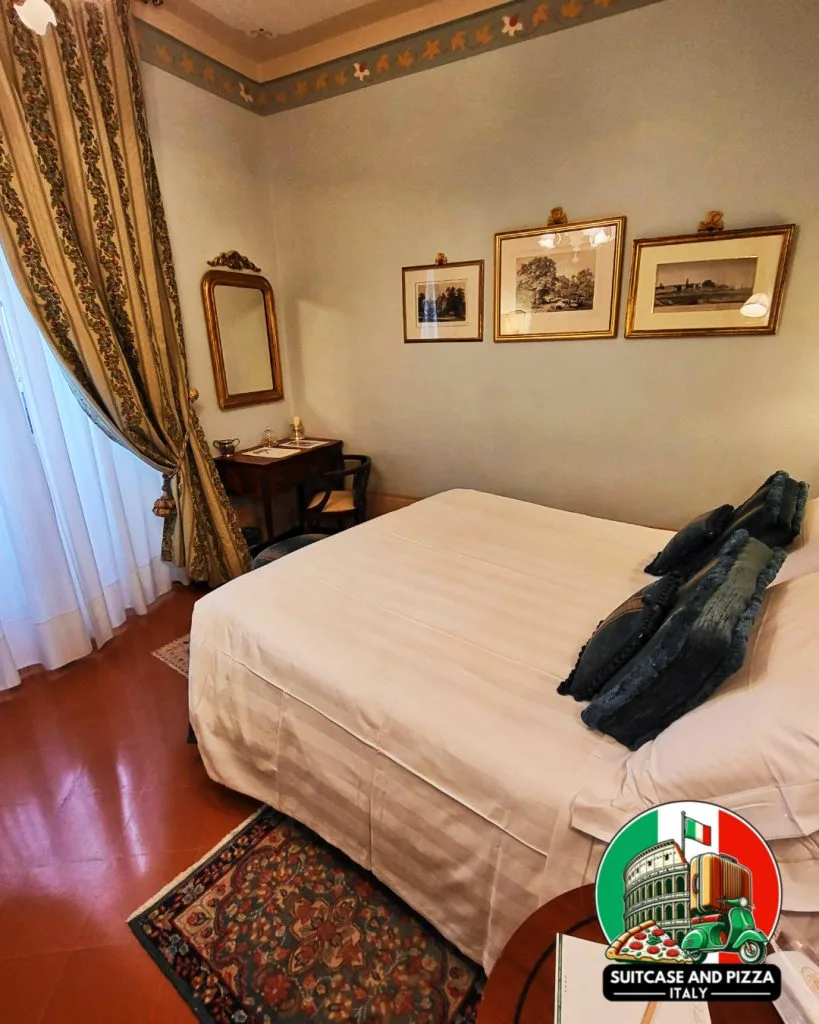
Staying in a villa is an experience in itself, offering a taste of the opulent Tuscan lifestyle.
Cozy Bed and Breakfasts: A Homely Touch
Bed and breakfasts in Tuscany are known for their warm hospitality and charming settings.
Often family-run, these accommodations offer a personal touch, with hosts eager to share their knowledge of the local area.

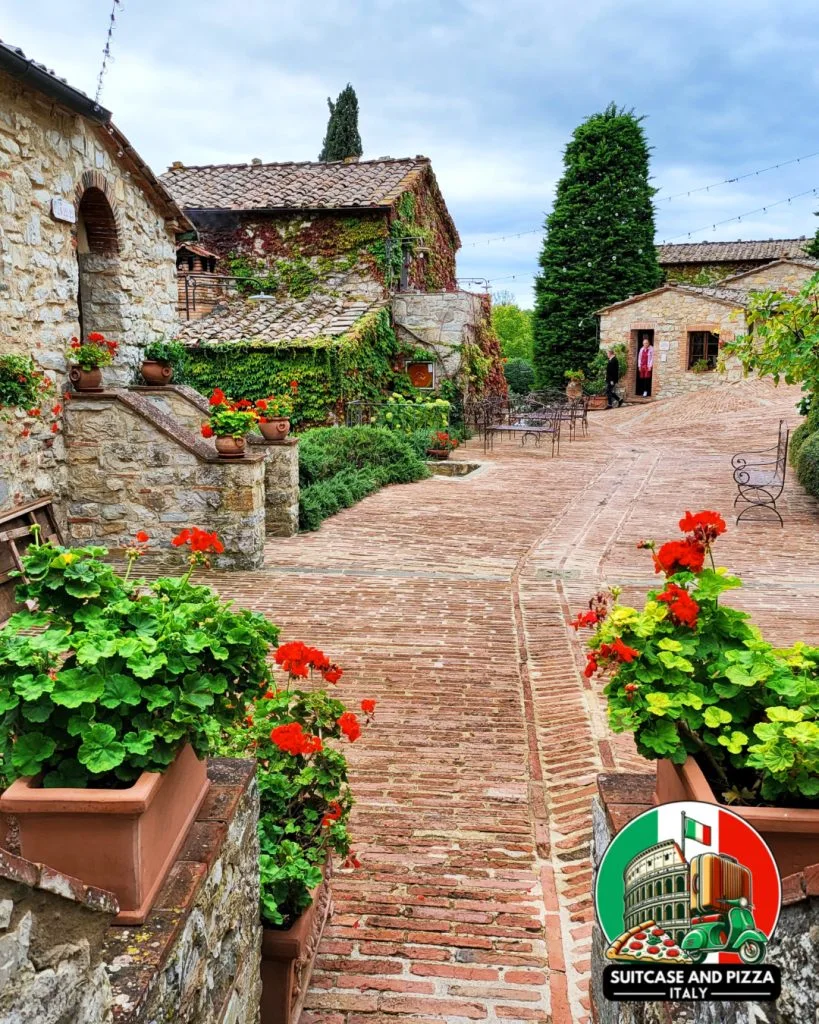

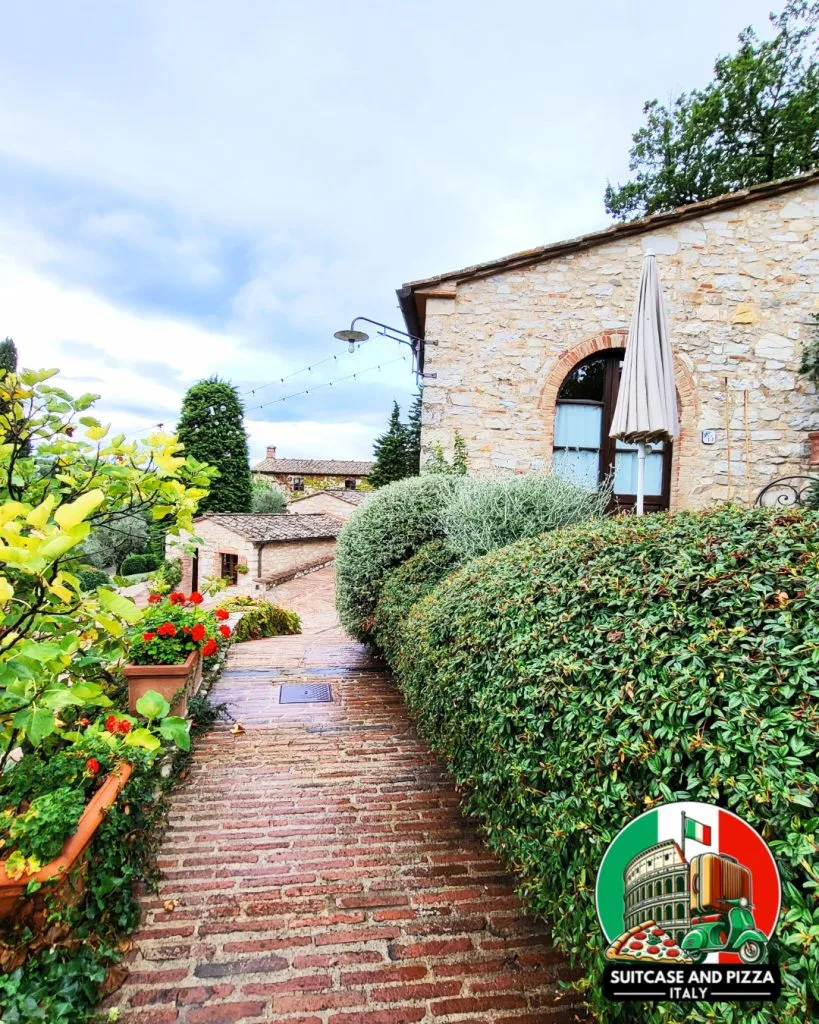
It’s a way to experience Tuscan life up close and personal.
Boutique Hotels: Unique and Stylish Stays
For those who prefer a more traditional hotel experience but with a unique twist, Tuscany’s boutique hotels are the answer.
These hotels often feature unique design elements and personalized services, ensuring a memorable stay.

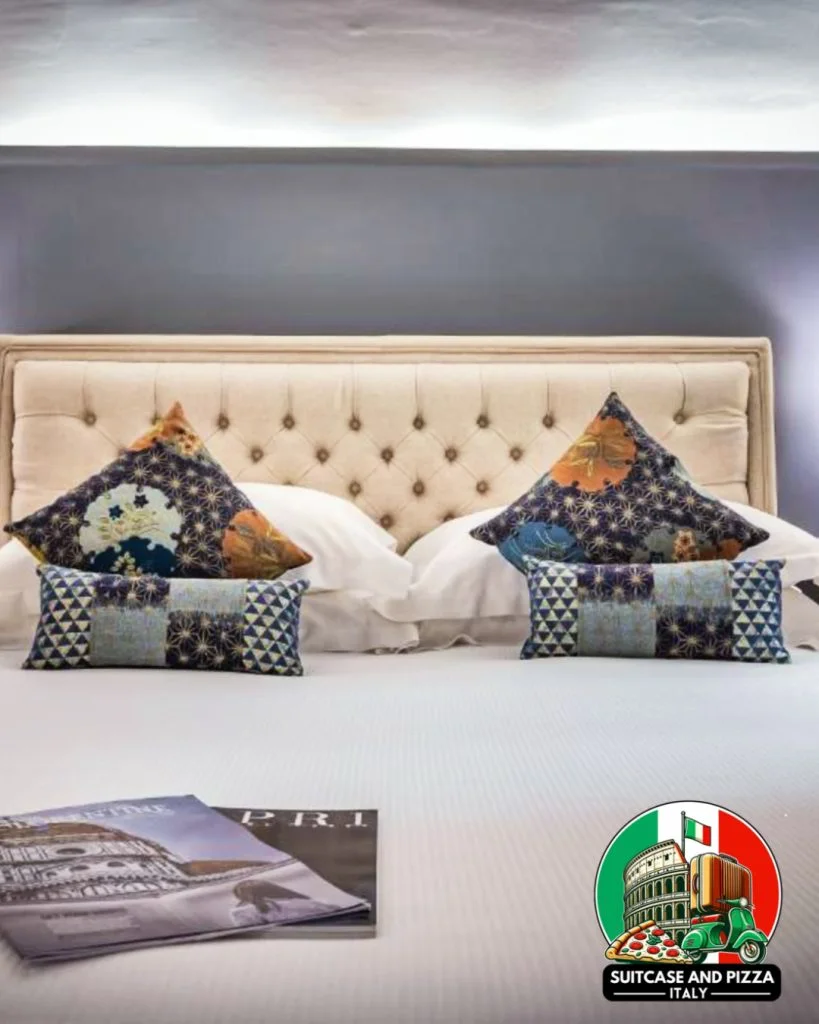

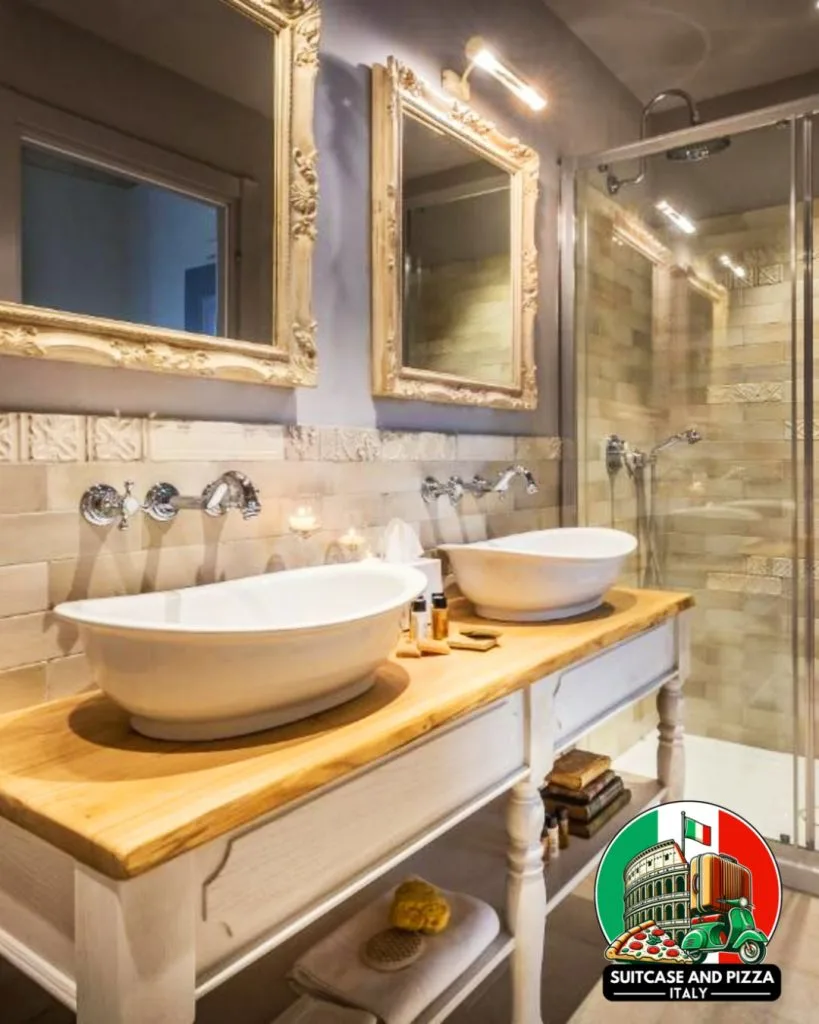
Agriturismo: Living the Rustic Dream
Agriturismo, or farm stays, offer a rustic and authentic Tuscan experience.
Here, you can stay in renovated farmhouses, enjoy home-cooked meals, and even participate in farming activities.

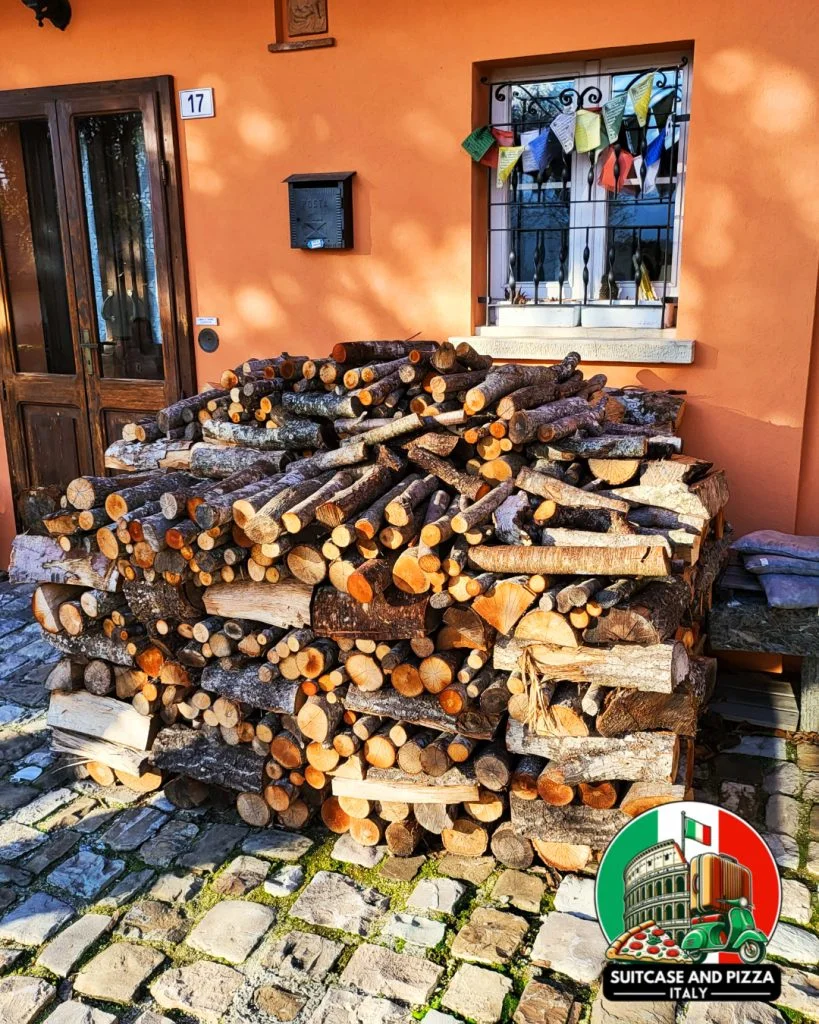
It’s a way to connect with the land and the region’s agricultural roots.
Which is the Best Place to Stay in Tuscany? Agriturismo in the Countryside vs Hotel Inside the City:
If you’re unfamiliar with Italian accommodations, particularly in rural areas, you might ask: what exactly is an agriturismo?
An Agriturismo is essentially the Italian equivalent of a farm stay.
Typically, it’s an independently operated hotel or guesthouse situated on an active farm or vineyard, set amidst the picturesque landscapes of Italy’s countryside.
City Hotels in Tuscany, on the other hand, offer a different kind of allure.
Located in the heart of urban centers like Florence, Pisa, or Siena, these hotels provide easy access to the rich tapestry of Tuscan art, history, and urban life.
Traveler testimonials often highlight the tranquility and authenticity of Agriturismi, while others appreciate the convenience and vibrancy of city hotels.

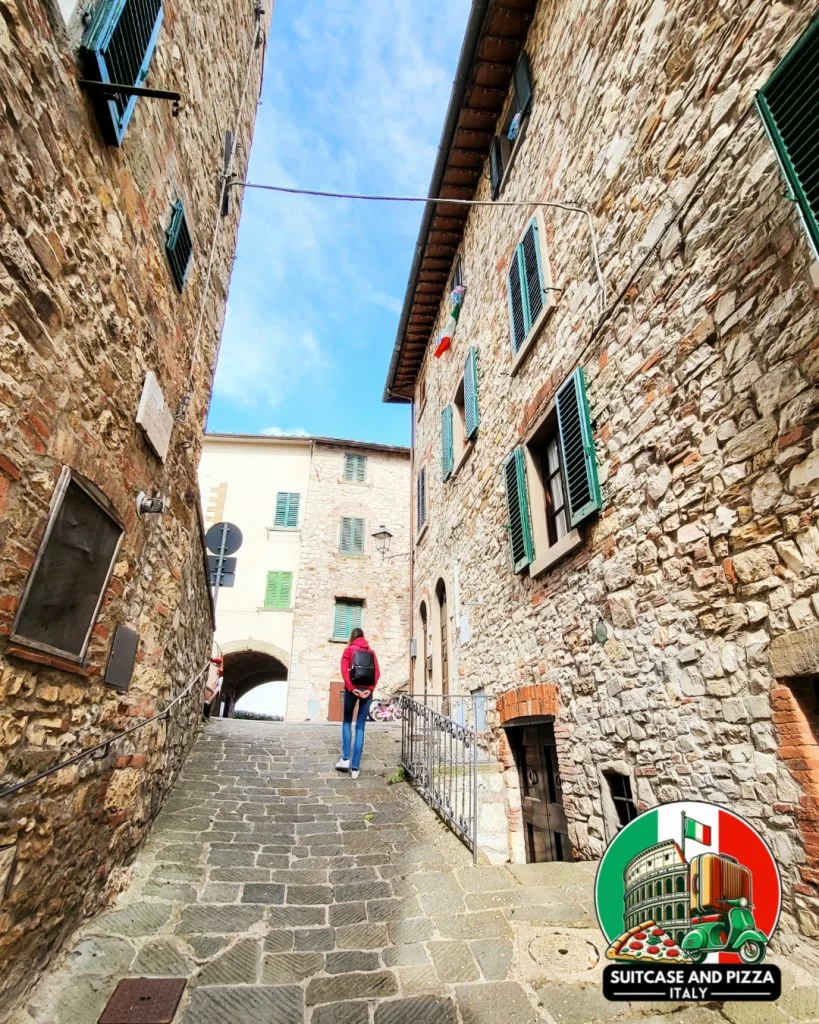
Personal preferences play a significant role in these experiences.
If your curios of a more detailed comparison, I wrote a more detailed article which you can read here:
Tuscany Accommodation: Agriturismo vs Hotel in the City
Now let’s get back to the original question: should you stay in Agriturismo or in a Hotel inside a city or town?
The short honest answer is “it depends”.
Making the Right Choice for You
The best choice depends on what you value most in your travel experience.
Do you seek a peaceful retreat in nature or the dynamic energy of a Tuscan city?
Consider your preferences, budget, and travel style when making your decision.
You should consider these two important factors when making a decision:
- Do you have your own car or not
- Your personal preference and the type of trip you prefer
Do you have a car to explore Tuscany or not ?
If you travel around Tuscany using public transportation like buses or trains, you’ll find yourself mostly staying in towns and cities.
This is because many of the countryside farm stays, known as agriturismi, are pretty out-of-the-way and hard to get to without a car.

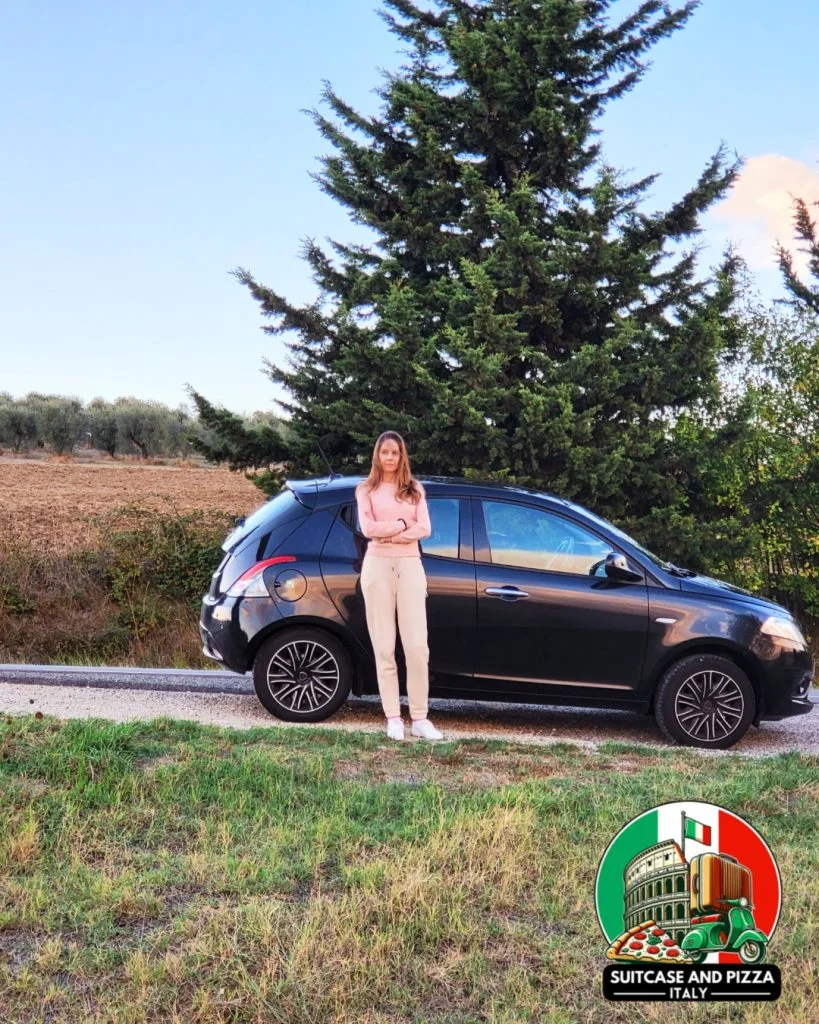
On the other hand, if you’re driving through Tuscany, you’ll have a lot more options. You can choose between a cozy agriturismo in the countryside or a hotel right in the heart of the cities.
Have a unique experience by exploring the area in your own rented car
Whether you prefer day trips from your hotel or a tour around the country, car rental is the best way for creating your own experience and live your dream vacation
If you don’t have a car or don’t want to rent a car in Tuscany there is also the option to stay in the city and book day trips that will take you exactly where you need on the countryside:
From Florence: San Gimignano, Siena, and Moteriggioni Tour,
Florence: San Gimignano, Siena, Chianti and Whie Tasting Lunch or
Tuscany: Day trip to Pisa, Siena, San Gimignano and Chianti
any of these are a great way to explore the countryside in Tuscany.
Your personal preference and the type of trip you prefer
After trying both (Hotel in the city and Agriturismo) in Tuscany we like more and we prefer to stay in agiturismi, especially in such a beautiful place like Tuscany.
It’s all about embracing the slower pace and savoring the sweet life, the ‘dolce vita’, as they say.

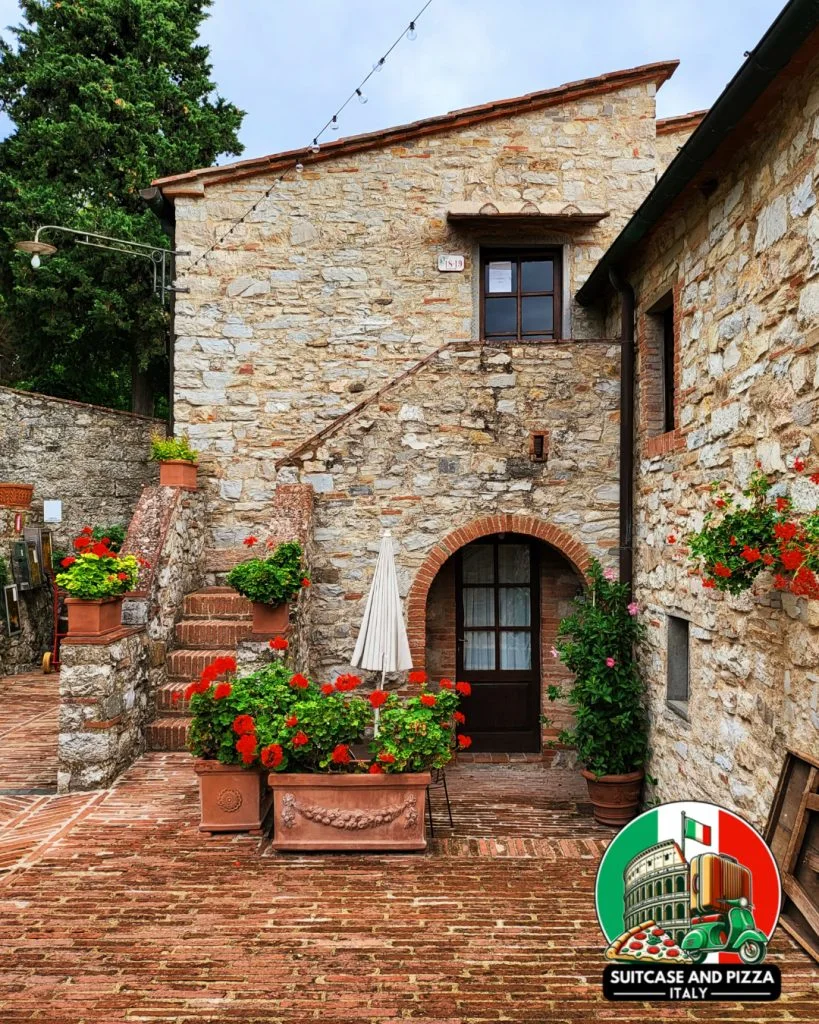
However when we’re in certain places, like Florence, the heart of the region, we find it better to stay in the city center.
It’s so convenient to just walk out of our hotel and step away from everything.

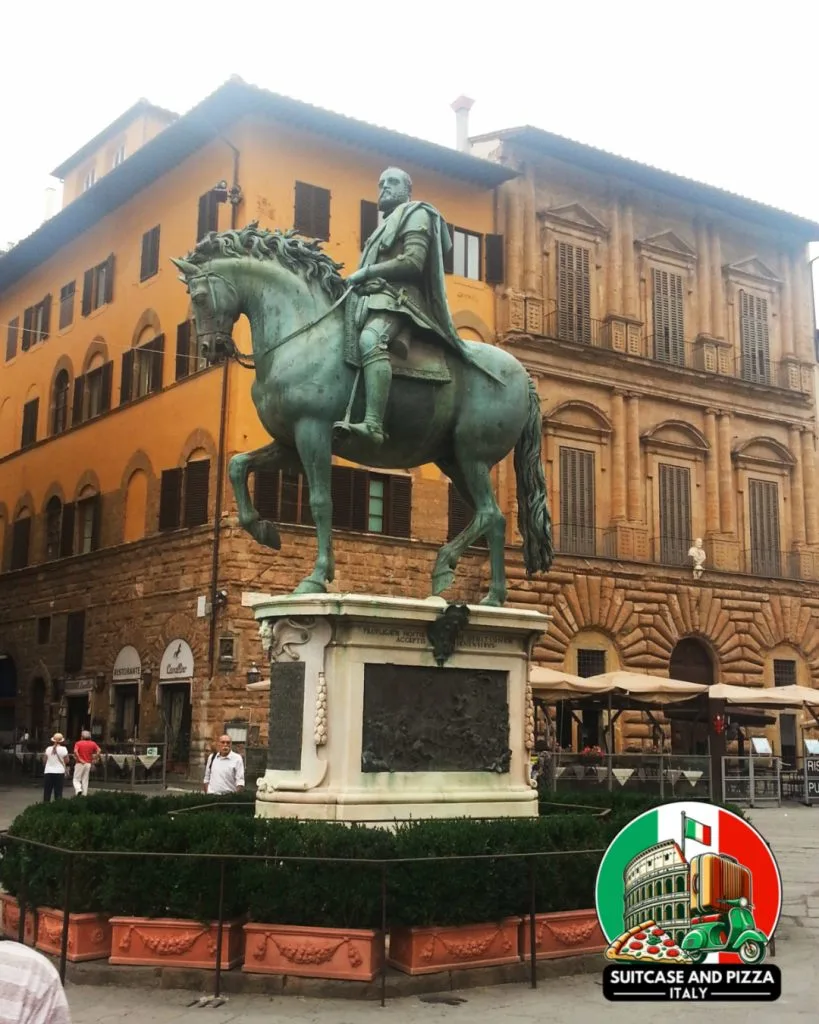
This way we save a good 20-30 minutes each way compared to traveling from a countryside agriturismo.
As we go through each destination, I’ll share with you both types of stays – in the agriturismo and the city hotels.
And, we’ll let you in on our personal pick for each place, based on our experiences.
Agriturismo in Tuscany: Pros and Cons
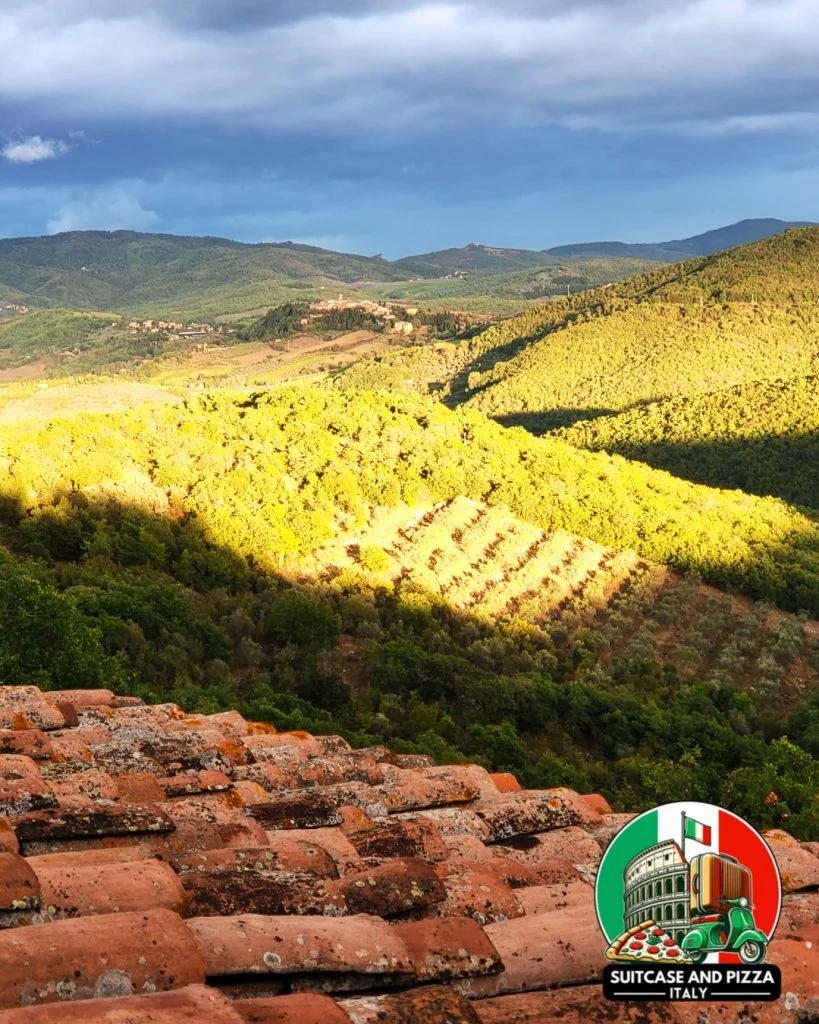
Staying at an Agriturismo in Tuscany was one of the most romantic experiences of my life.
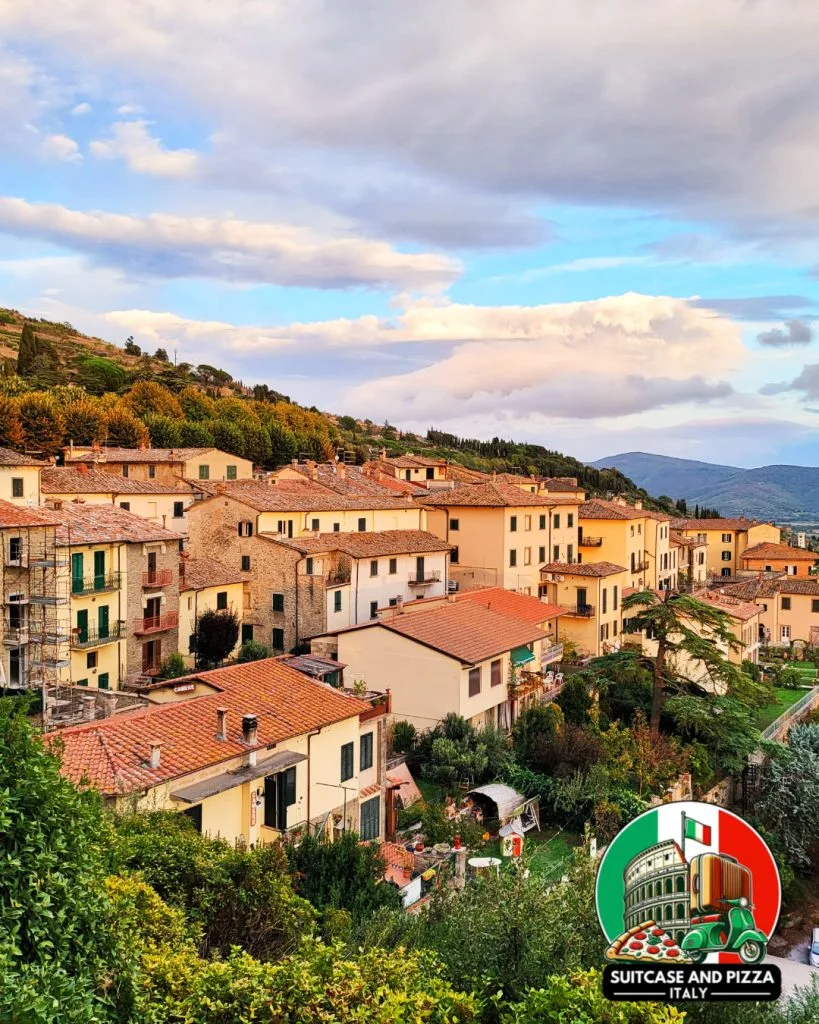
Imagine waking up in a charming, rustic farmhouse surrounded by a picturesque landscape of olive trees and vineyards. It’s like stepping into a dream.

Pros of Staying in an Agriturismo accommodation
Authentic, Romantic and Charming: The best part is, these farmhouses retain their authentic rustic charm, beautifully blending traditional aesthetics with stylish, practical updates.
La dolce vita: The sense of peace and tranquility I felt there was unparalleled.
Immersed in nature, I truly understood what Italy’s famous “dolce vita” or sweet life means. Every day felt like a gentle, relaxing embrace away from the hustle and bustle of everyday life.
Amazing Food: And the food – oh, the food! Every breakfast was an experience in itself, featuring fresh, seasonal products right from the farm.

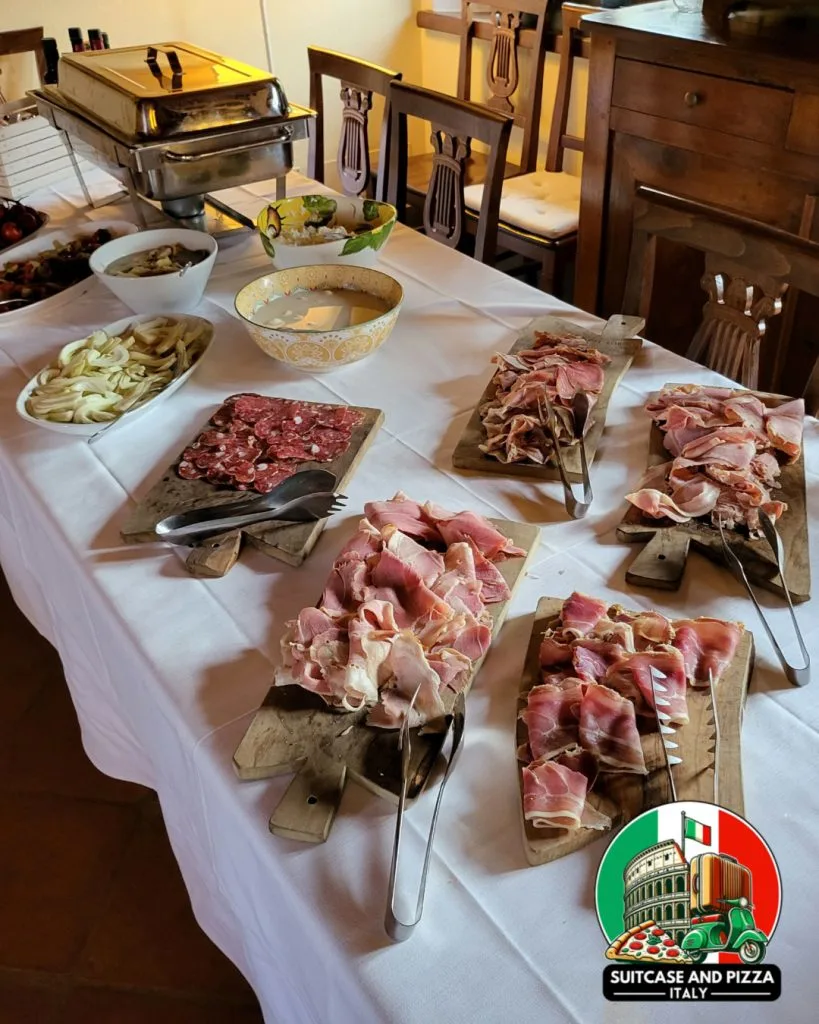

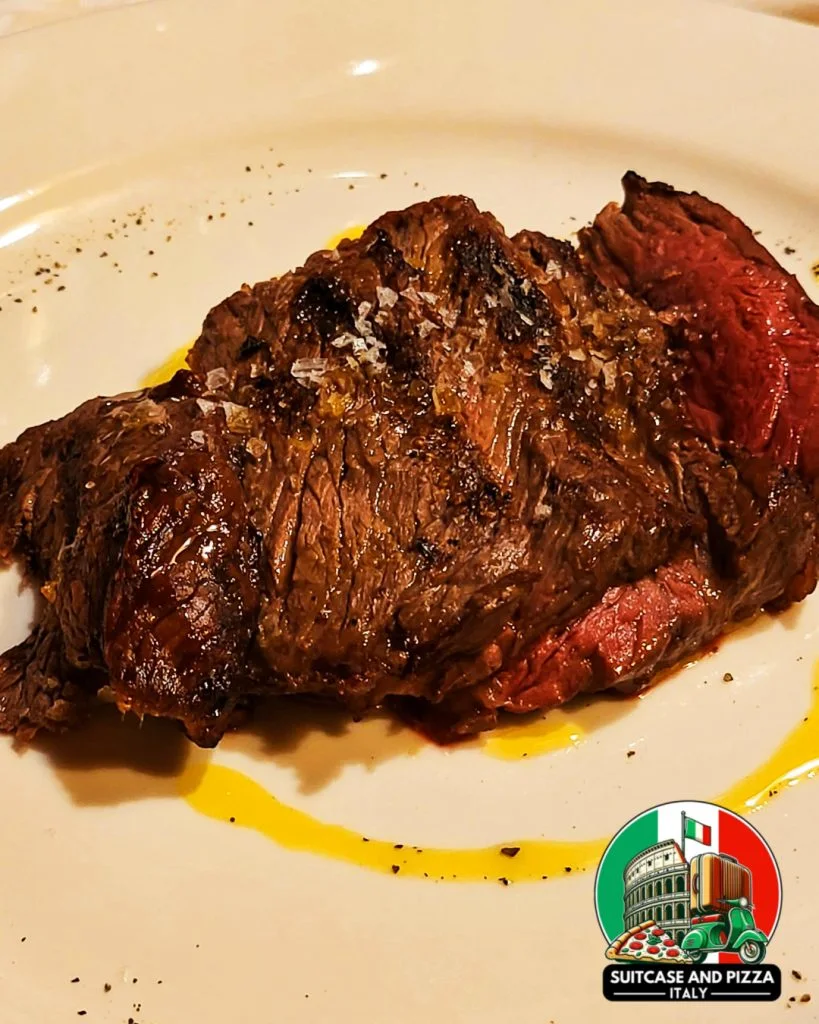

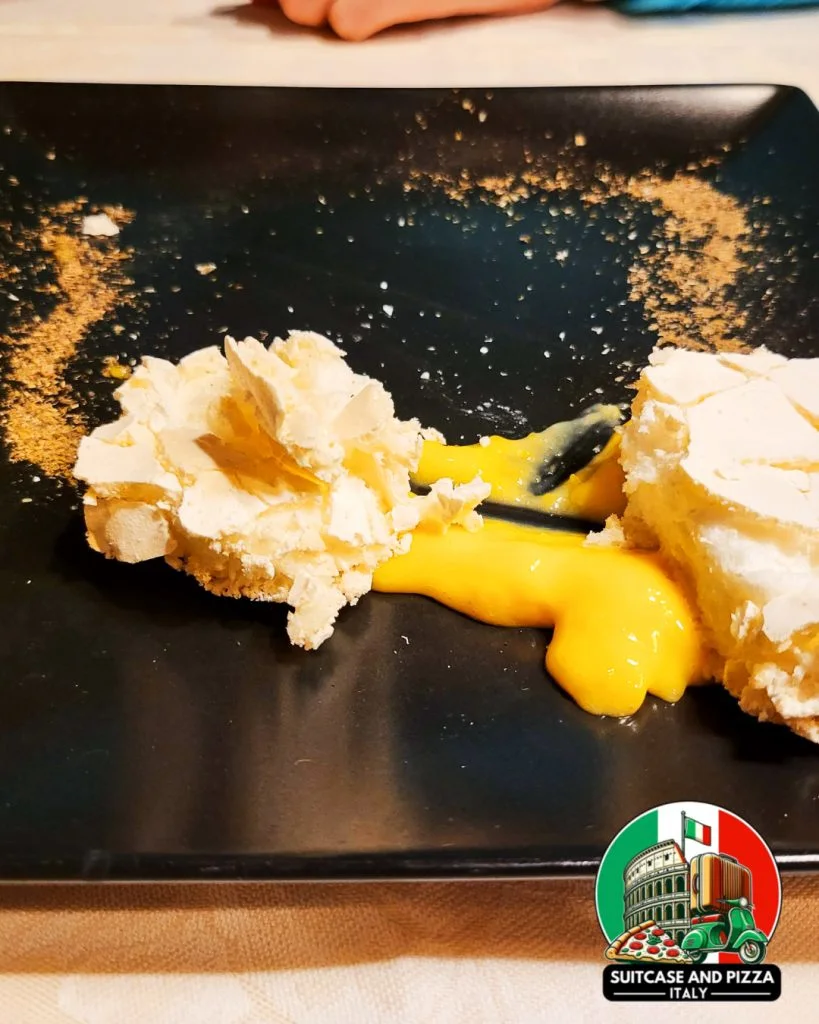
The on-site restaurants often use locally-grown ingredients, offering a authentic and incredibly delicious taste.
The farm also offered unique foodie experiences, like farm tours, cooking classes, and my personal favorite, wine and olive oil tastings.

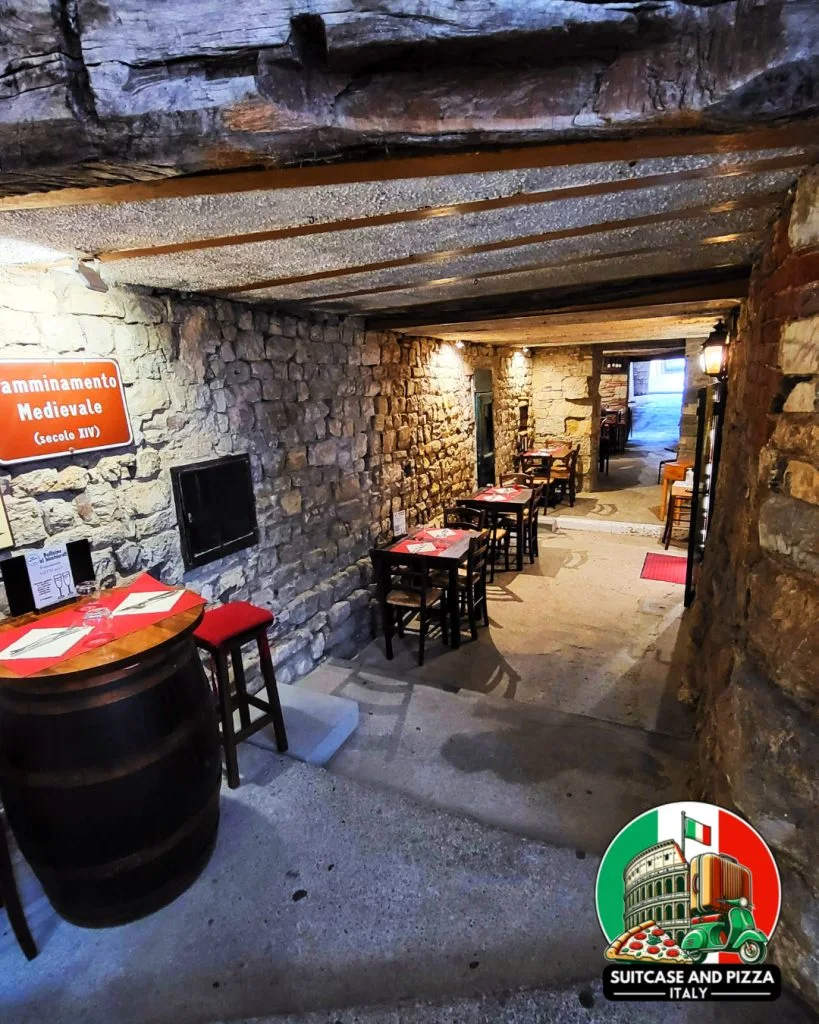

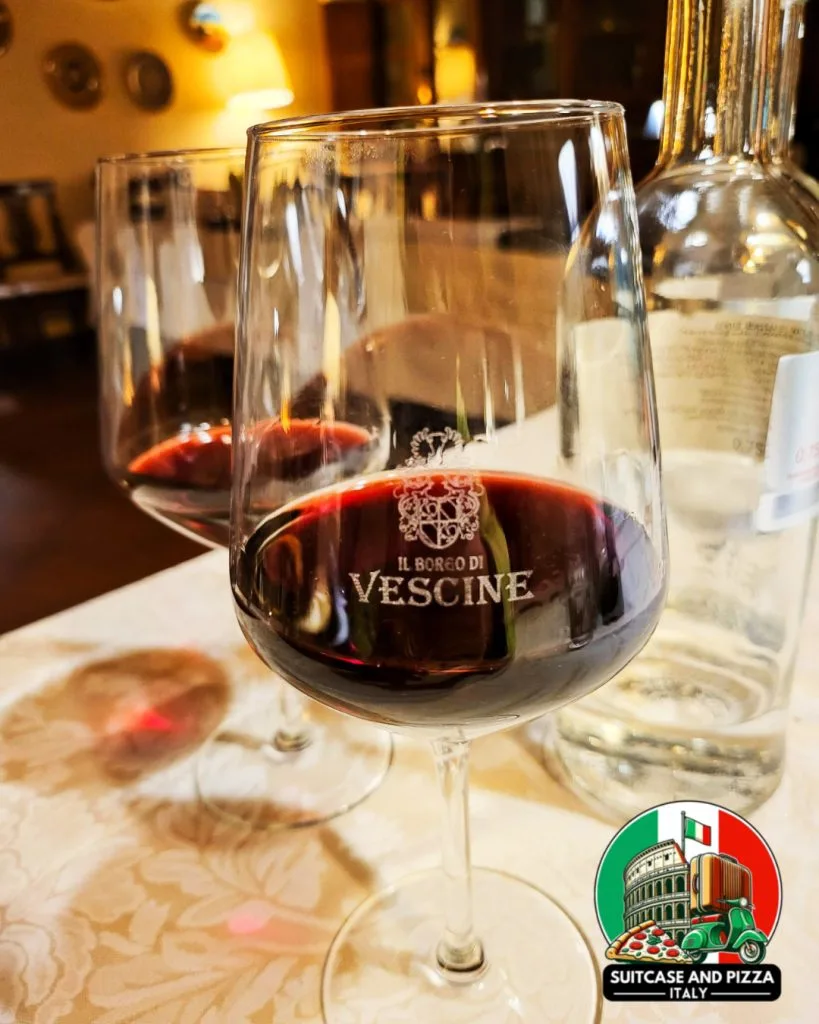
These experiences not only delighted my taste buds but also gave me a deeper appreciation for Tuscany’s culinary culture.
Parking free of charge: Another huge plus was the convenience of free parking. Not having to worry about the extra expense or hassle of overnight parking made my stay even more stress-free.
No need to drive in the city center: One of the things I appreciated most was not having to navigate through the chaos of city centers.

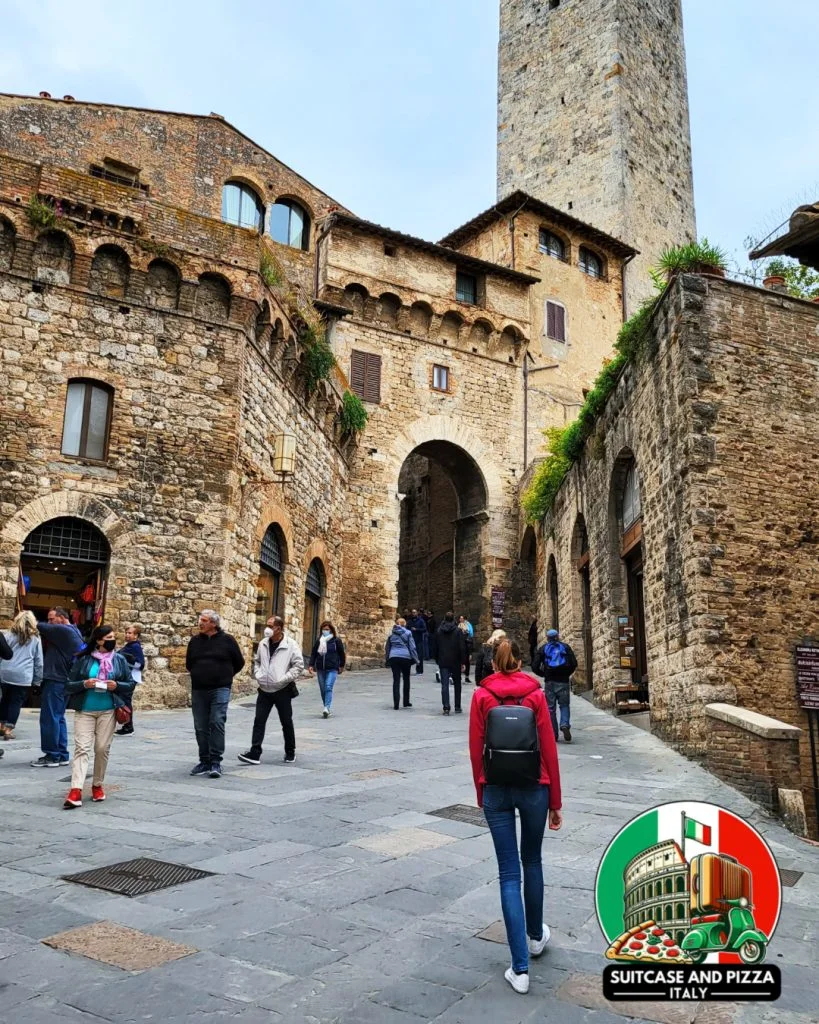
After spending a day exploring, returning to the calm and serene countryside felt like a true blessing.
It was a relief not to search for parking in a busy city center after a long, adventurous day.

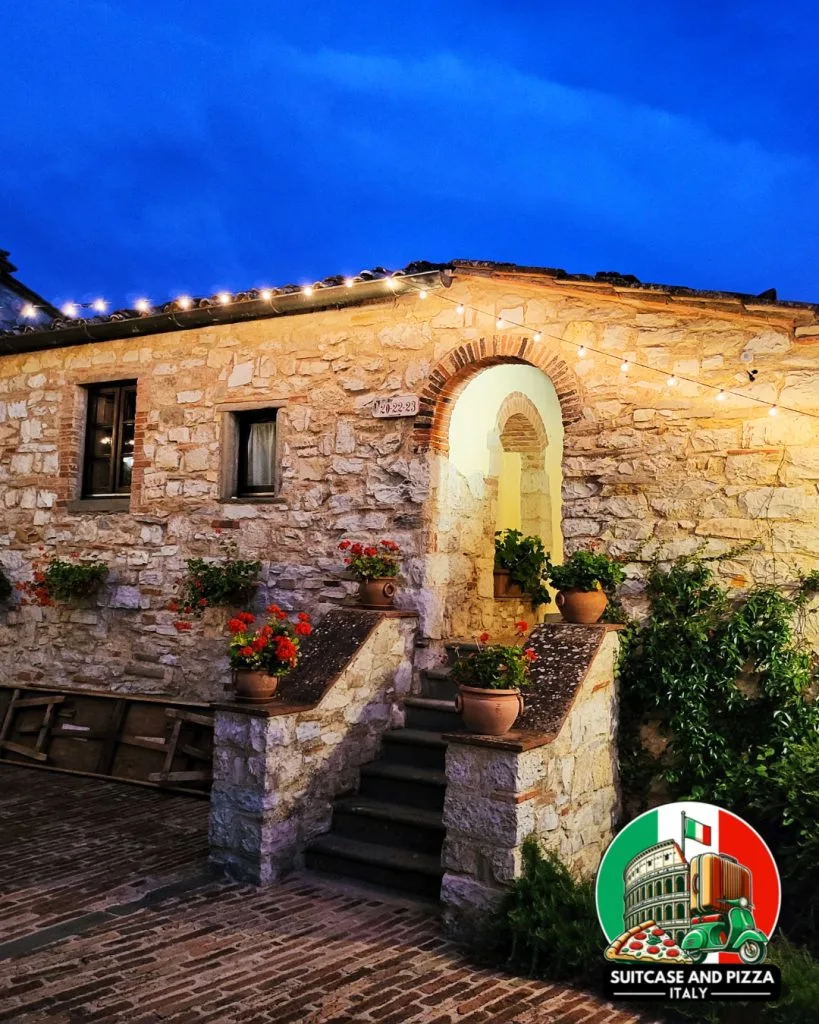
In short, staying in an Agriturismo in Tuscany was an experience filled with romance, relaxation, convenience, and culinary delights.
It’s something that I would recommend to anyone seeking a genuine taste of the Tuscan lifestyle.

Cons of Staying in an Agriturismo accommodation
Reflecting on my stay at an Agriturismo in Tuscany, I faced a few challenges that are worth mentioning.
Distance from the city center: The most noticeable was its distance from the city center.
Being located in a more rural and isolated area meant that every time I wanted to explore the city, I had to drive.

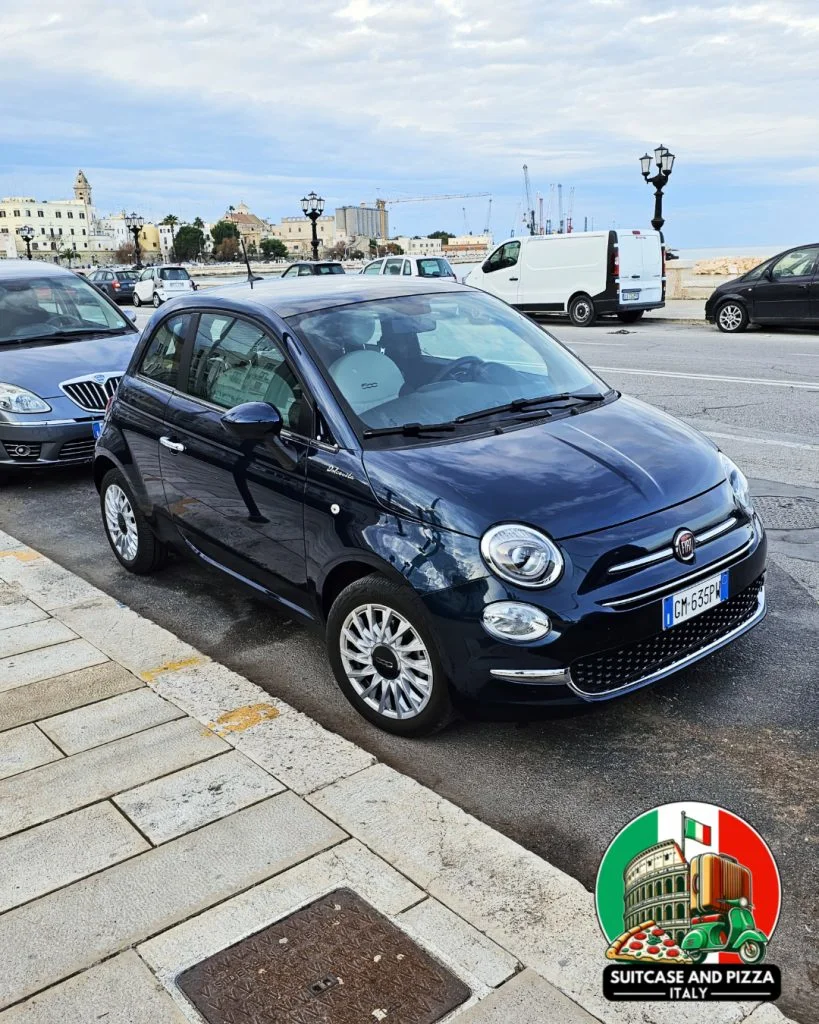
This became particularly inconvenient when I wanted to enjoy a few glasses of local wine at dinner; the thought of driving back on small country roads at night was not very appealing.
More expensive: Another aspect that caught my attention was the cost.
Agriturismi, with their extra charm and amenities, often come with a higher price tag compared to regular hotels.
This can be a significant factor for those traveling on a budget or looking for more economical accommodation options.

Minimum stay: Additionally, I encountered a minimum stay requirement at some agriturismi. This wasn’t ideal for my travel plans, as we intended to move around and stay in different places.
Being tied down to a single location for a longer period limited my flexibility and ability to explore various parts of Tuscany.

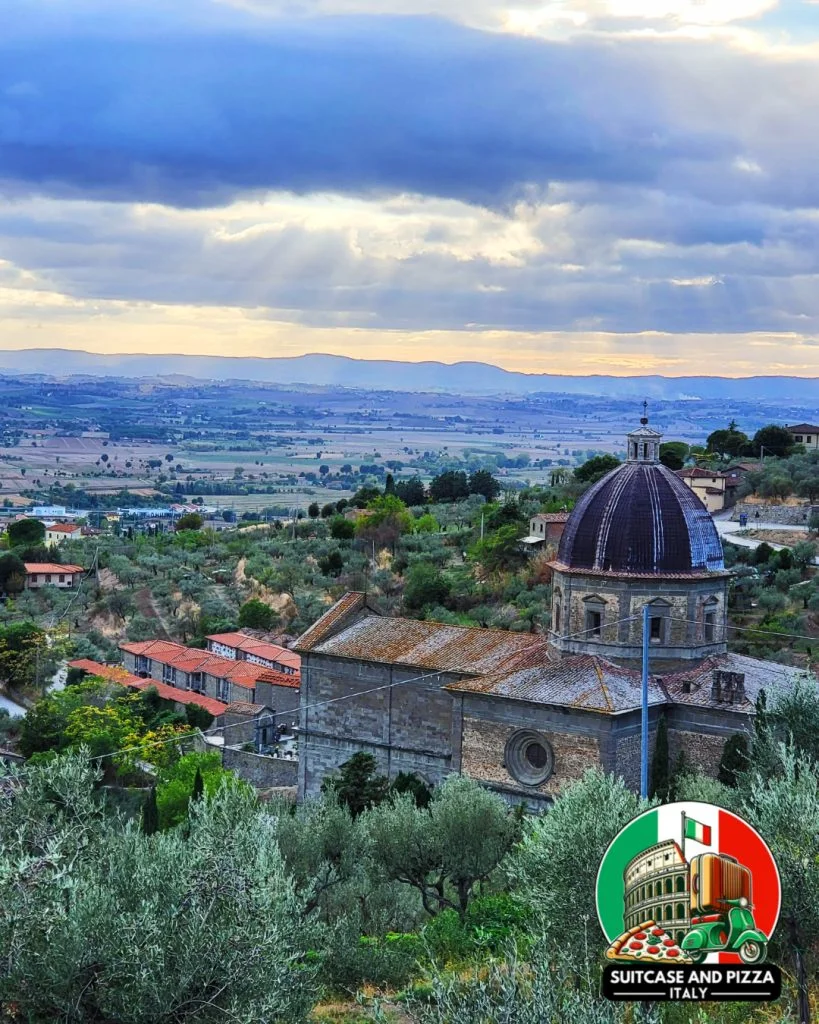
In summary, while staying at an Agriturismo offers a unique and charming experience, it’s important to consider factors like distance from the city, higher costs, and potential minimum stay requirements, especially if you have specific travel preferences or constraints.
City Center Hotel in Tuscany: Pros and cons
Pros of Staying in a City Center Hotel
During my stay in the city center, I was pleasantly surprised by the convenience and accessibility it offered.
Attractions at walking distance: One of the biggest advantages was being within walking distance to many top attractions.
It was amazing to step out of my accommodation and find myself surrounded by a vibrant array of cafes, restaurants, and bars.

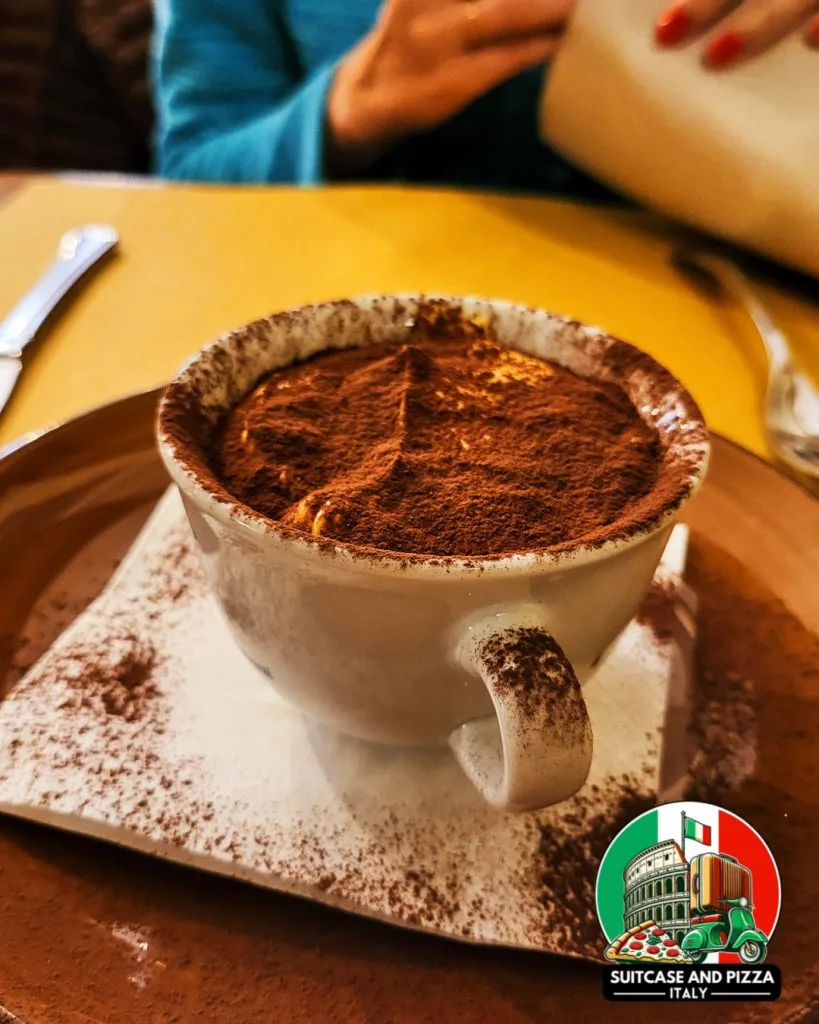
The freedom to explore without constantly relying on a car was truly liberating.
No need for a car: Another significant benefit, especially since I didn’t have a car, was the easy access to public transportation.
Buses and trains were readily available, making my travels around the city and to nearby areas smooth and hassle-free.
This accessibility was a game-changer for me, as it allowed me to explore far more than I initially thought possible.
More affordable: Additionally, staying in the city center proved to be more budget-friendly than I had anticipated.
The variety of accommodation options meant that I could find something that fit my budget without compromising on location or comfort.
This abundance of choices was a stark contrast to more rural areas, where options can be limited and often pricier.
In essence, my experience staying in the city center was marked by ease, accessibility, and affordability.
The proximity to attractions and public transport, coupled with a range of budget-friendly accommodations, made it an ideal choice for my urban adventure.
Cons of Staying in City Center Hotel
Reflecting on my experience staying in the city center, I did encounter some challenges that are important to note.very
Having a car can be stressful: One of the biggest issues was dealing with my car. In many parts of the city center, driving and parking were nothing short of a nightmare.
The presence of ZTL (Limited Traffic Zones) in Italian cities meant I had to be extremely careful about where I drove.

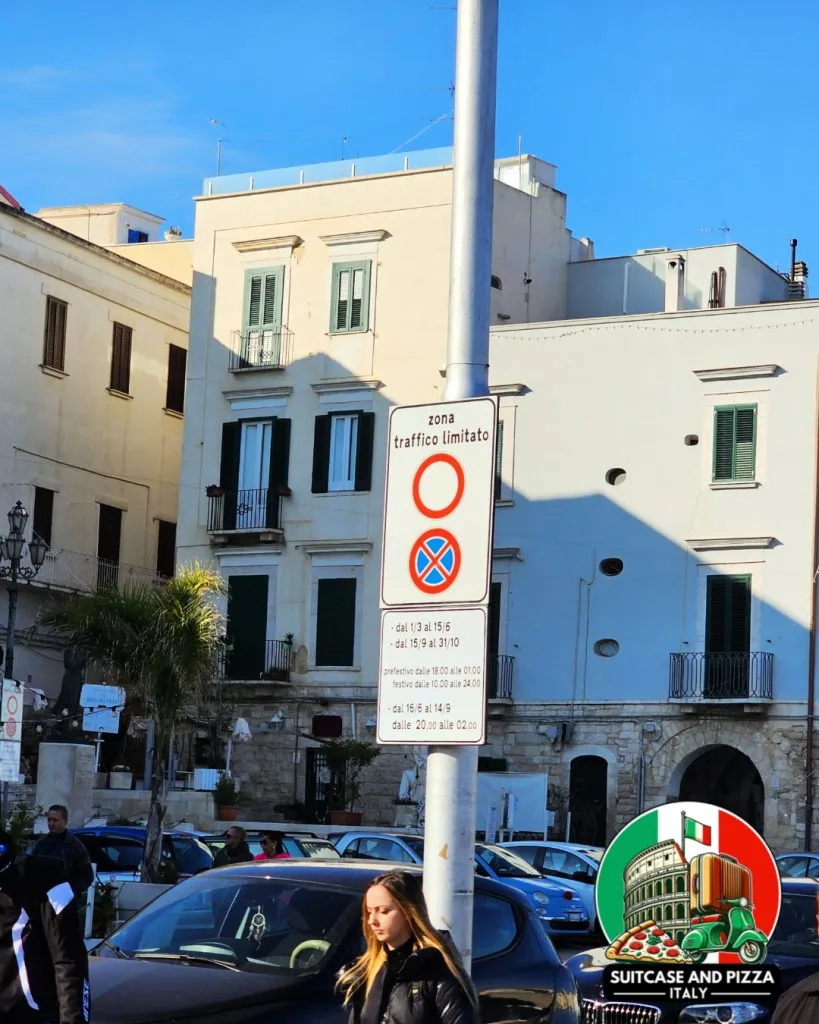
Finding accommodation that offered convenient parking outside these zones was a task in itself, adding an unexpected layer of stress to my trip.
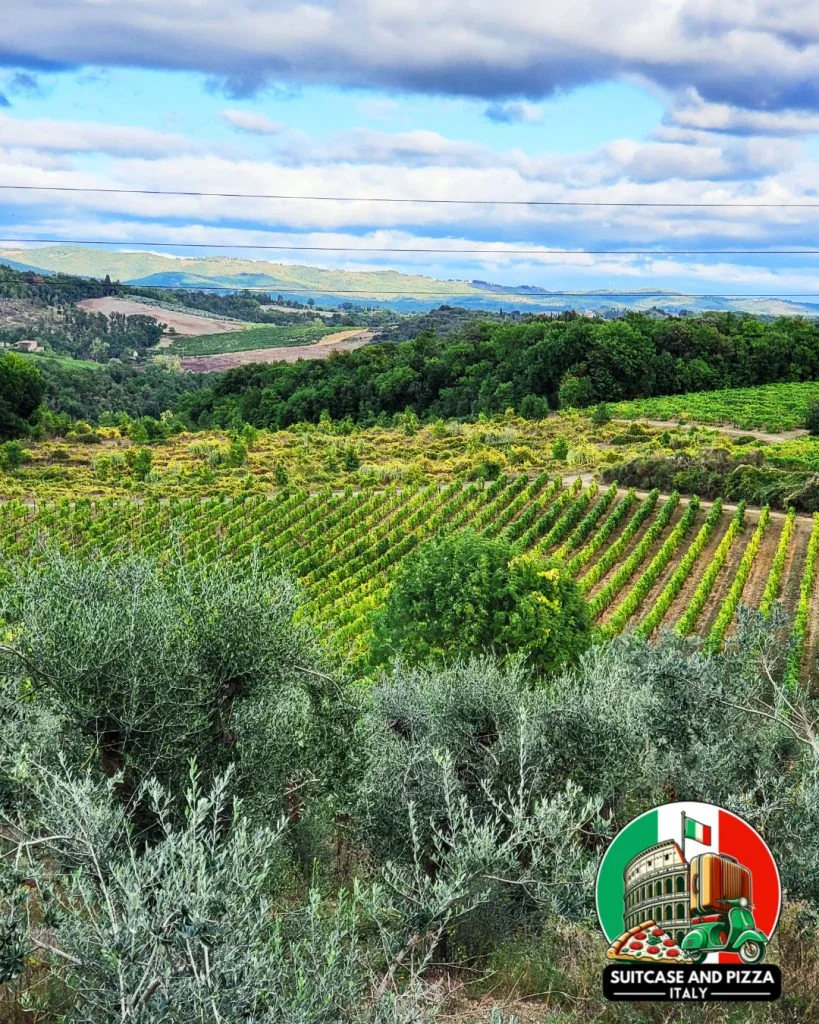
Less charming: Another aspect that struck me was the lack of that unique charm I had experienced in rural areas like the Tuscan countryside.
While the city had its share of lovely guesthouses and modern hotels, they just couldn’t replicate the enchanting experience of staying in a traditional Tuscan farm.
Despite their modern amenities and conveniences, the city’s accommodations lacked the rustic allure and intimate connection with nature that agriturismi offered.

In summary, staying in the city center, while convenient for walking and public transportation, presented its own set of challenges, particularly if you have a car.
Additionally, while comfortable and modern, city accommodations couldn’t quite capture the charming essence of the Tuscan countryside.
These are important considerations for anyone planning their stay in Italy.
Best places to stay in Tuscany: A Full Guide to 8 Great Places to Stay
Tuscany is home to some of the most beautiful and culturally rich cities in Italy. Each offers a unique experience and a range of accommodations to suit every traveler.

Now let’s move on to the primary reason you’re reading this: discovering the top places to stay in Tuscany.
Given the duration of your visit, it’s probable that you’ll be exploring various locations from this list during your Tuscan adventure (that’s certainly how I would approach it).
Florence and Siena are easily accessible even without a car, but for other destinations in Tuscany, having your own vehicle is much more convenient.

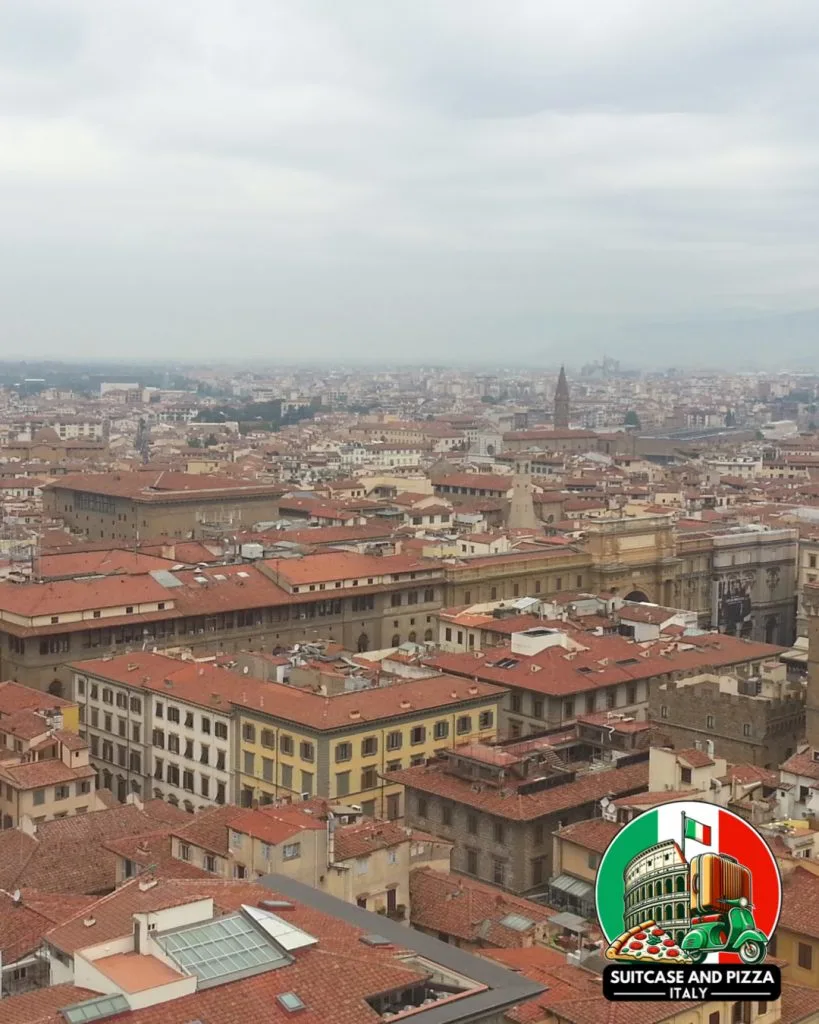

This, of course, brings its own set of challenges, such as navigating and finding parking in the often hectic centers of Italian cities, regardless of their size.
Before diving deeper, it’s crucial to acknowledge that your choice of where to stay in Tuscany will almost entirely depend on the unique nature of your trip.

Think of this guide as a diverse menu from which you can select.
We’ve identified the eight most popular destinations in Tuscany and provided insights for each: advice on whether an agriturismo or a city center hotel is more suitable, followed by a few specific accommodation options for each type.
Our aim here is to assist you in aligning your itinerary with this guide, helping you pinpoint the perfect place to stay at each stage of your journey.
Best towns in Tuscany to stay
In my opinion these are the best towns in Tuscany:
- Florence (Firenze) – The capital of Tuscany and a cultural and artistic hub with iconic landmarks such as the Florence Cathedral, Uffizi Gallery, and Ponte Vecchio.
- Siena – Famous for its medieval architecture, including the Siena Cathedral and Piazza del Campo, and renowned for the Palio di Siena horse race.
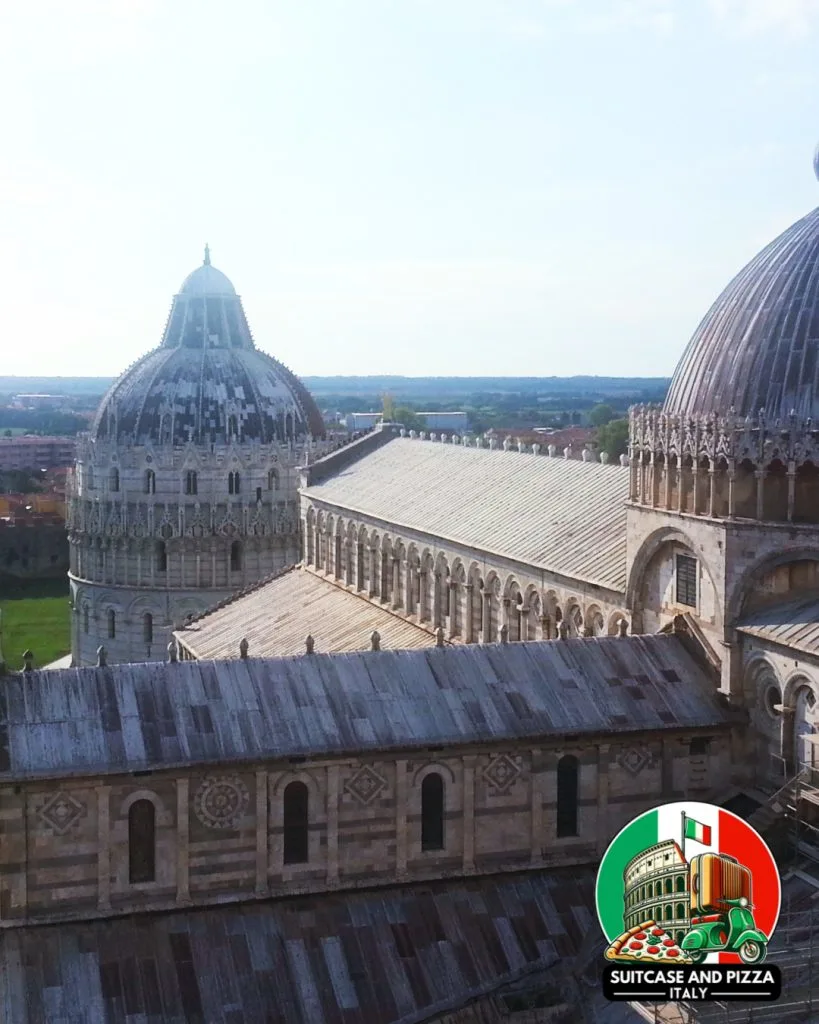
- Pisa – Home to the iconic Leaning Tower of Pisa, as well as the Pisa Cathedral and Baptistery.
- Lucca – A charming walled city with well-preserved Renaissance walls, historic buildings, and a relaxed atmosphere.
- San Gimignano – Known for its medieval towers, this town offers a unique skyline and a glimpse into the past.
- Montepulciano – Famous for its wine production, this hilltop town boasts stunning views and historic architecture.
- Volterra – An ancient Etruscan town known for its archaeological sites, medieval buildings, and alabaster craftsmanship.
- Cortona – Made famous by the book and movie “Under the Tuscan Sun,” this hilltown offers beautiful vistas and historic charm.
- Arezzo – Home to the stunning Basilica of San Francesco and a vibrant monthly antique fair.
- Chianti – While not a town, the Chianti region is renowned for its scenic vineyards, charming villages, and exceptional wine.
- Pienza – A UNESCO World Heritage Site, Pienza is known for its Renaissance architecture and delicious pecorino cheese.
- Cortona – A picturesque hilltown known for its art, history, and stunning views of the surrounding countryside.
- Grosseto – The gateway to the Maremma region, known for its natural beauty and unspoiled landscapes.
- Massa Marittima – A medieval gem with well-preserved architecture and a beautiful cathedral square.
- Pitigliano – Known as the “Little Jerusalem” for its historic Jewish community, this town is perched on a tufa ridge.
These are just a few of the many charming towns you can explore in Tuscany, each with its own unique history, culture, and attractions. Tuscany’s diverse landscapes, from rolling hills to coastal areas, make it a captivating destination for travelers.
Florence: The Renaissance Gem
Florence, the cradle of the Renaissance, is a city where art and history come alive.
Staying in Florence means being surrounded by masterpieces of art and architecture. From luxury hotels near the Duomo to quaint apartments in the Oltrarno, Florence has accommodations for every taste.

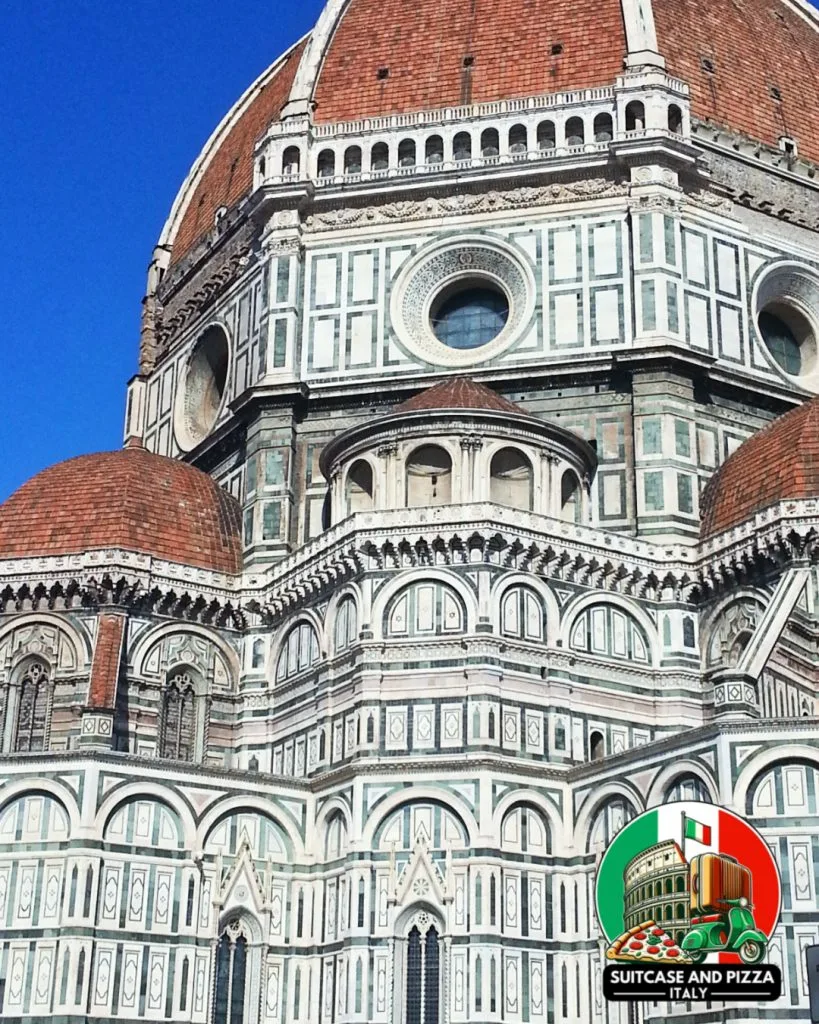
Visiting Florence, the capital city of Tuscany, was an unforgettable part of our trip to the region. We found it to be a dream destination.
Despite its popularity and well-known paths, Florence absolutely lived up to its reputation in my eyes.

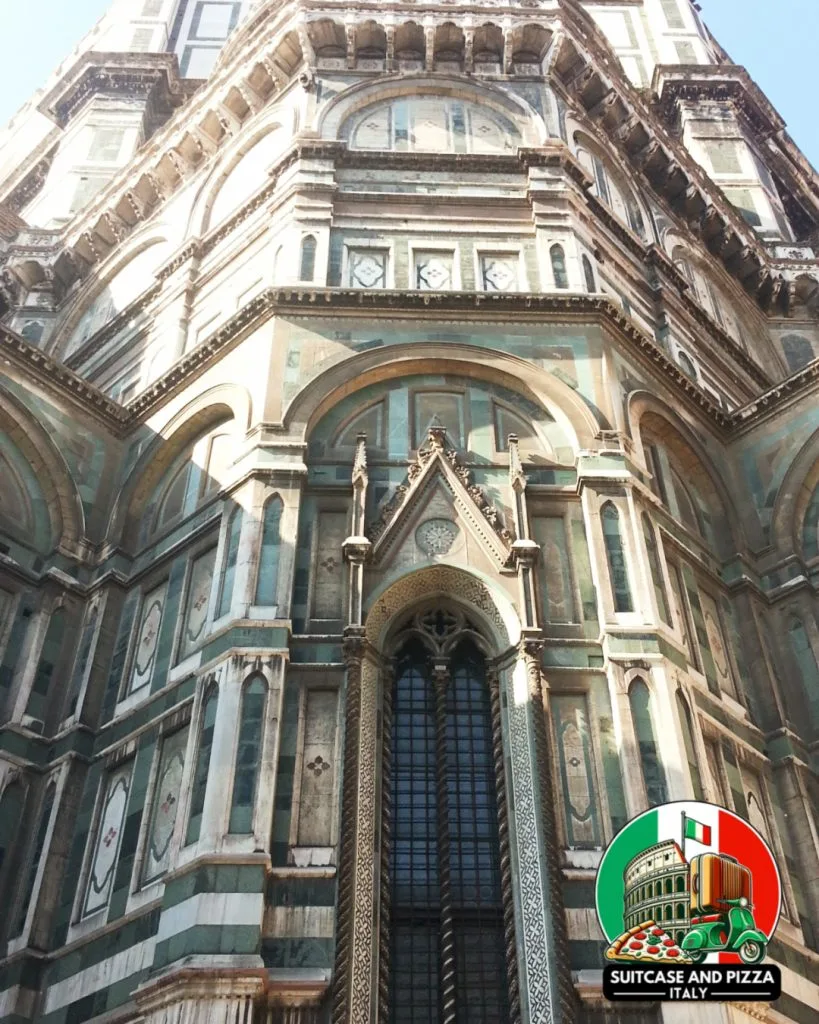
Also known as the “Birthplace of the Renaissance,” Florence’s history fascinated me. During the 14th and 15th centuries, it was among the wealthiest and most influential cities, not just in Italy but in the world.

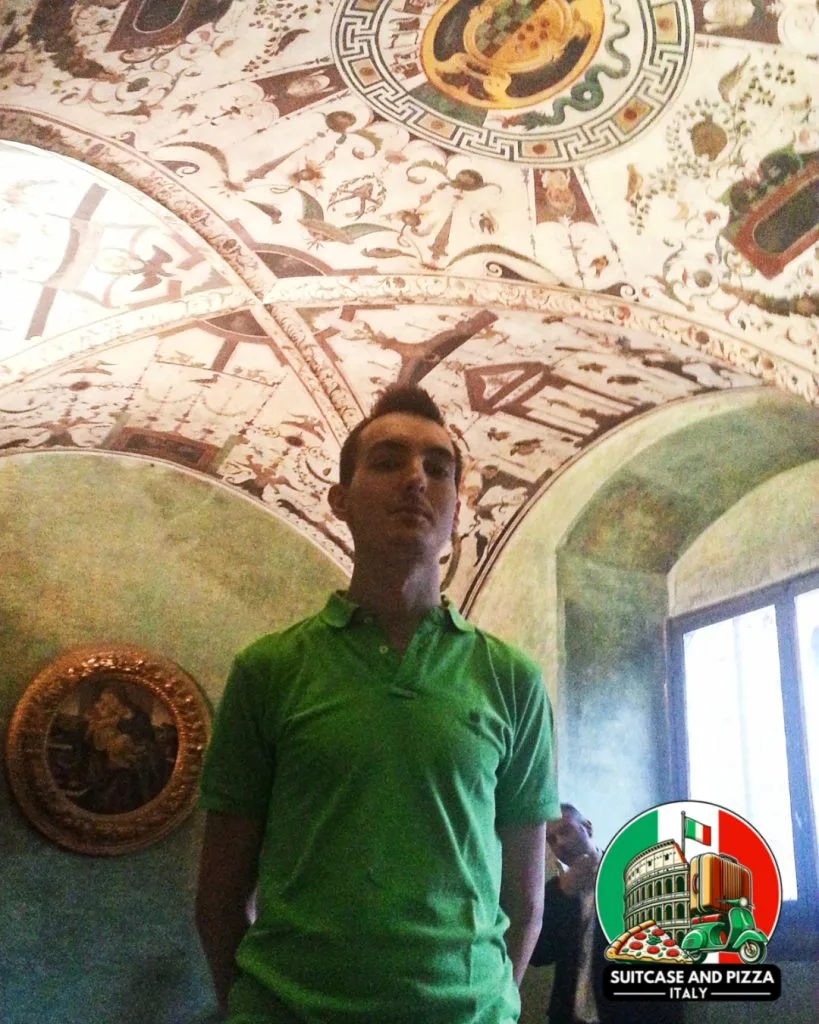
This prosperity fueled the creation of the abundant world-famous Renaissance art and architecture that still adorns the city.
Walking through its streets felt like traveling back in time, surrounded by historical and artistic grandeur.

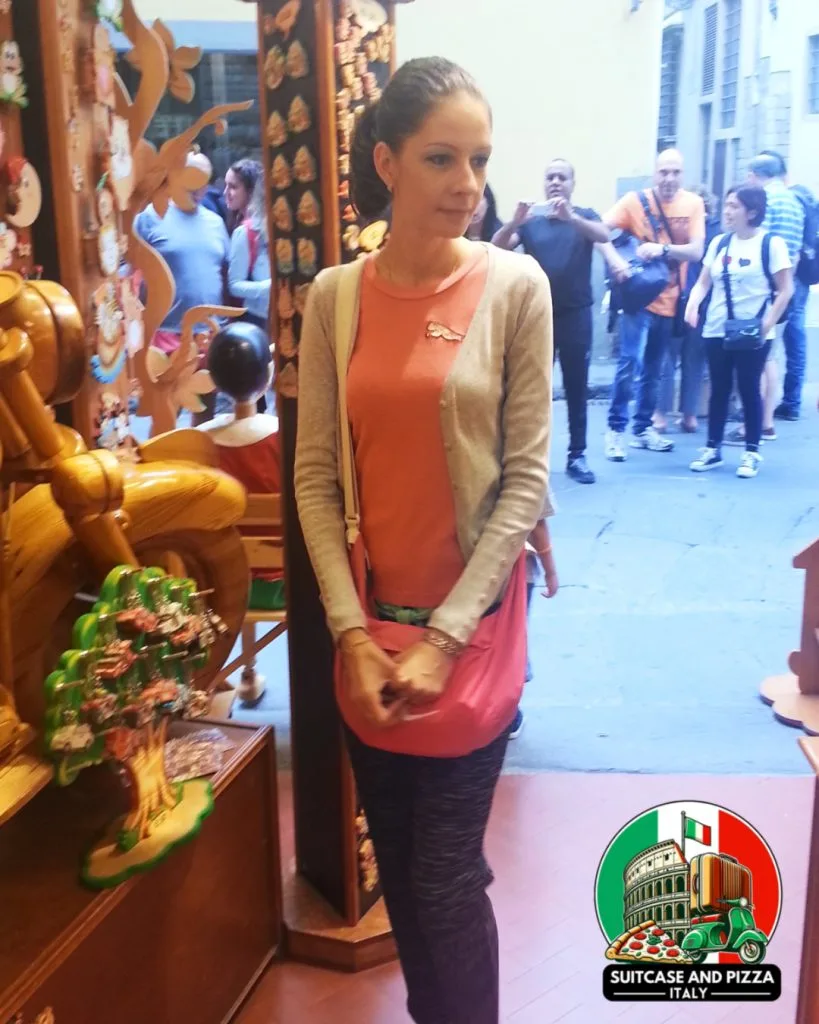
Despite its relatively small size, Florence is packed with wonders. From world-class art galleries and awe-inspiring churches to culinary delights, I found there was so much to explore.
I could easily spend days, if not weeks, unraveling all that Florence offers.

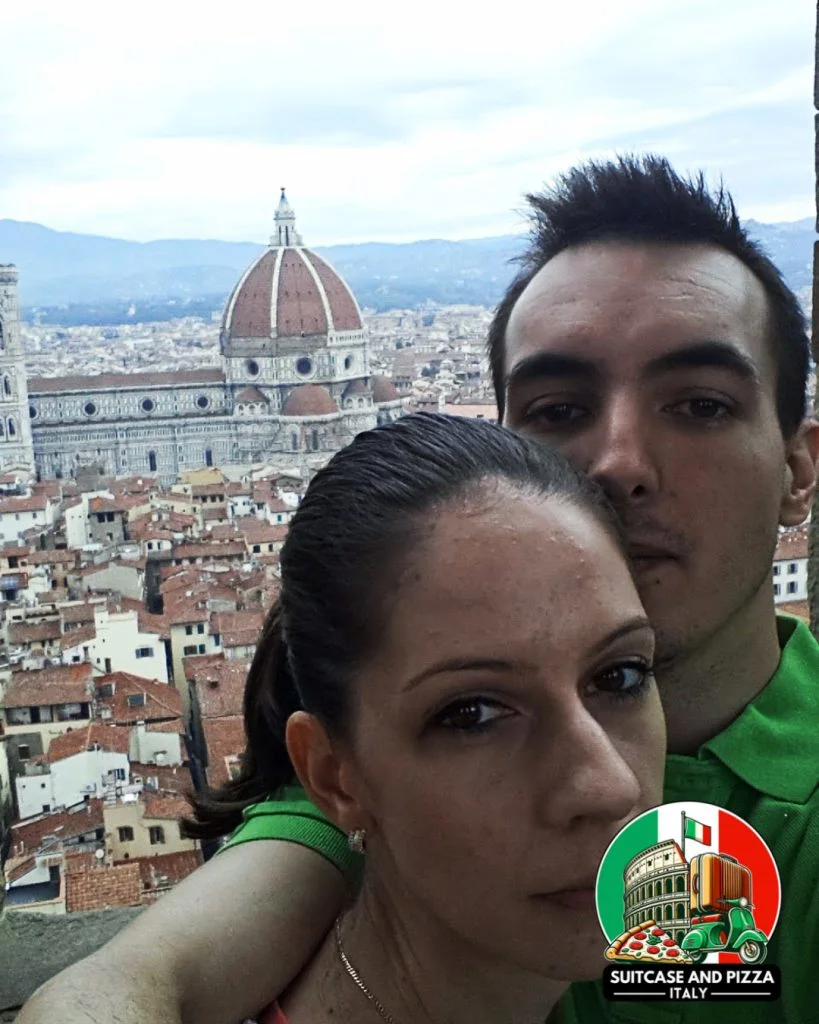
Besides Florence’s historical and artistic treasures and appreciating its role as a gateway to Tuscany, there was an additional, deeply personal highlight for me.

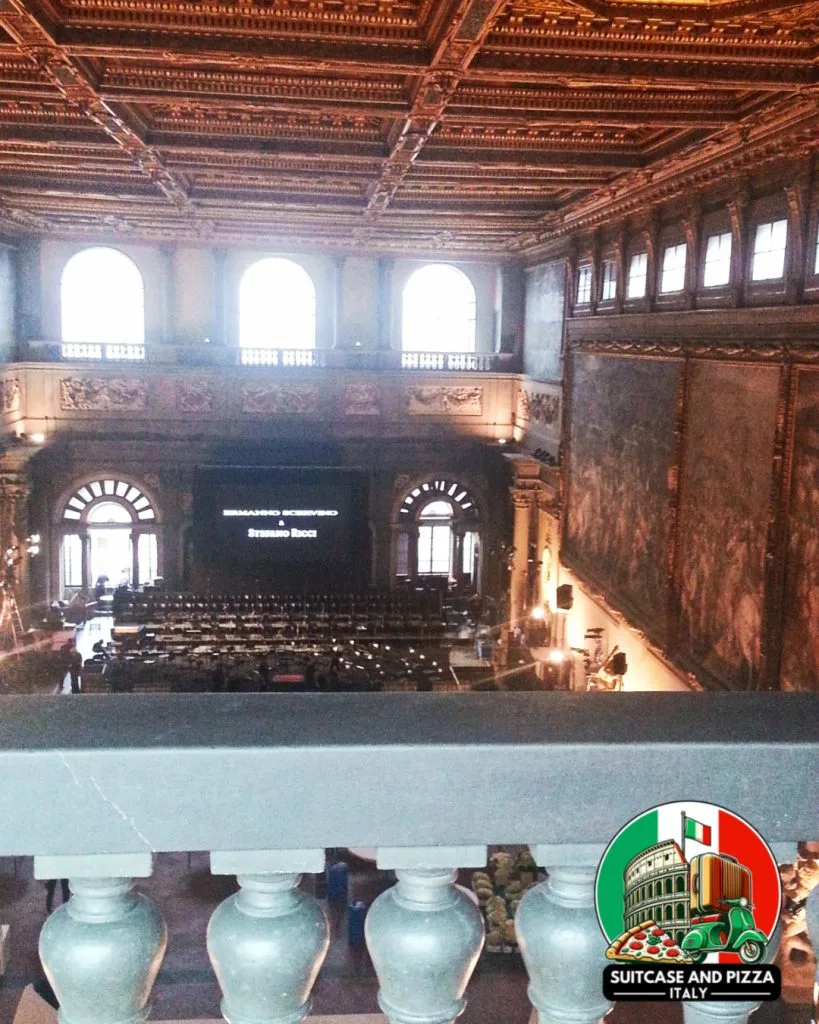
As a fan of the movie “Inferno” (the third installment from Dan Brown’s saga after The Da Vinci Code and Angels and Demons) discovering that Florence was the setting for many of its scenes was the cherry on top of an already delightful experience.


This revelation added an extra layer of excitement to my explorations.
Discovering Florence
My visit to Florence was deeply enriched by its connection to “Inferno,” one of my favorite movies.
Each location, from the bustling Piazza della Signoria to the serene pathways near the Arno River, held a special allure, knowing they served as backdrops for thrilling scenes in the film.

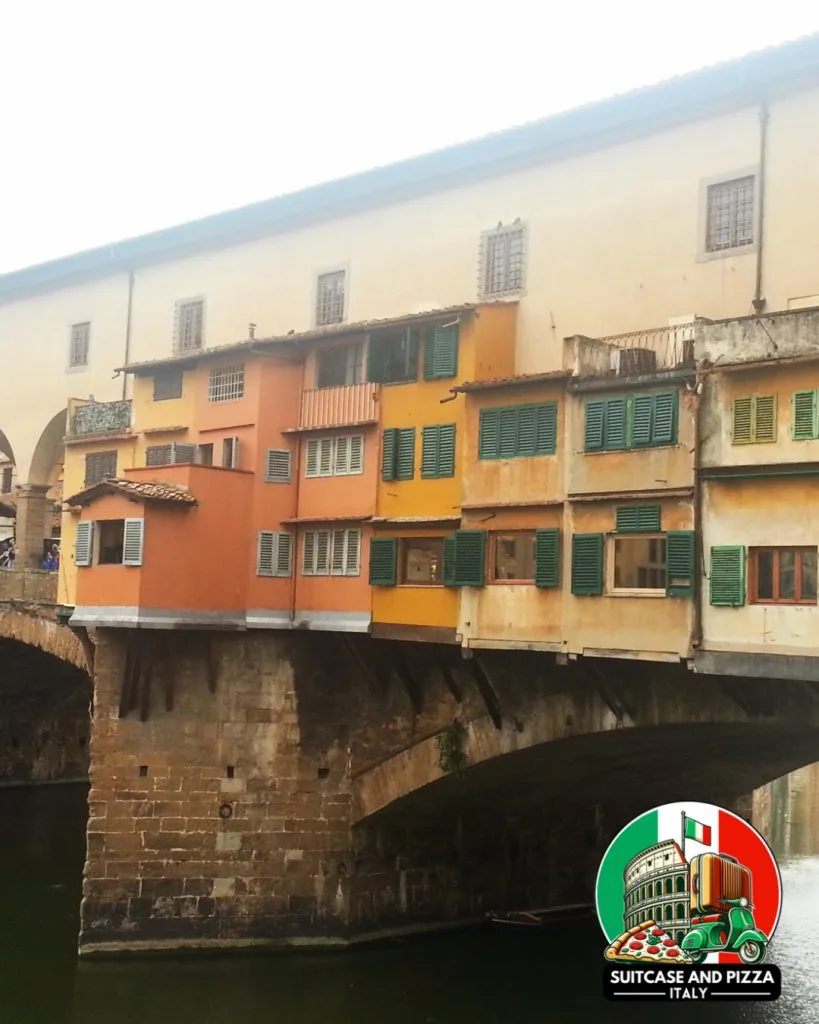
The Baptistery of Saint John and the historic Palazzo Vecchio, where key movie sequences were shot, blended art, history, and my passion for the movie into a rich, immersive experience.
I felt like I was walking through a movie set, retracing the steps of the characters in this thrilling saga.
The city’s architectural marvels, like the Vasari Corridor and the Boboli Gardens, not only showcased Florence’s historical grandeur but also echoed the suspenseful journey of “Inferno’s” characters.
Walking through these locations, I felt a connection to both the real and cinematic worlds, making my visit to Florence an unforgettable blend of reality and fiction.

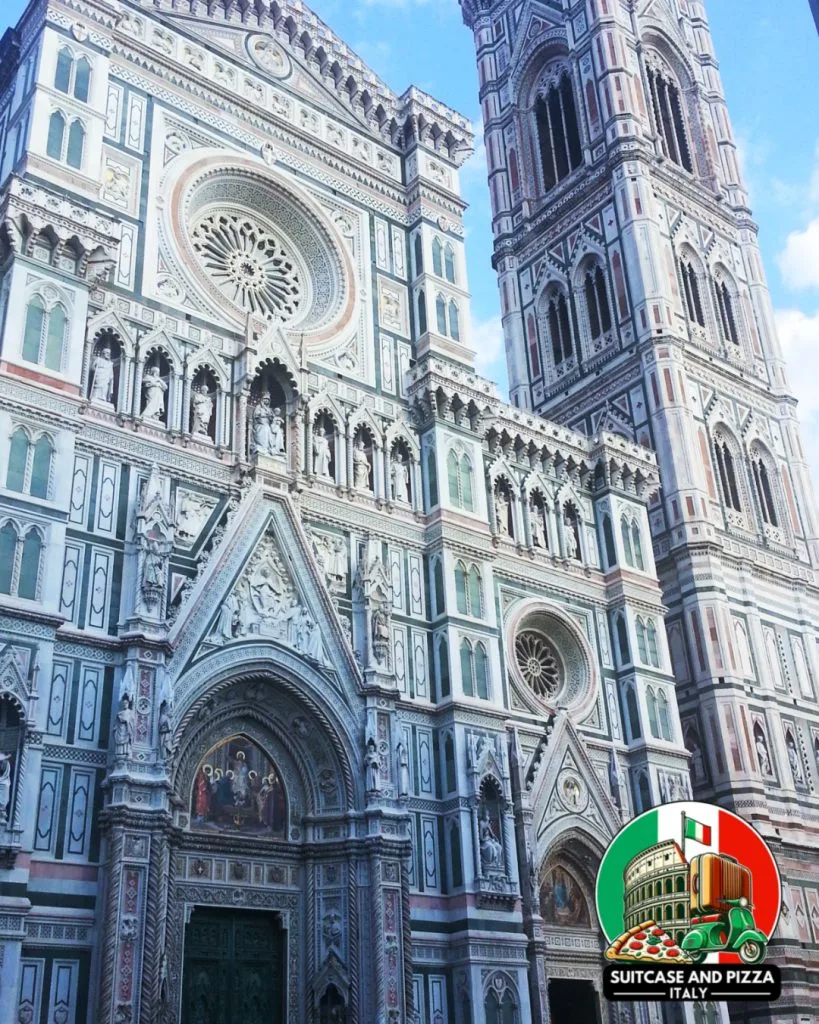
Additionally, its status as the regional capital makes it an excellent base for venturing into other parts of Tuscany.
The convenience of traveling from Florence to surrounding areas added another layer of appeal to my stay.
In short, Florence is a city that combines historical richness with artistic splendor and serves as a perfect gateway to the broader Tuscan experience.
Where to stay in Florence: Agriturismo or Hotel in the City Center ?
I’d definitely recommend staying in a Hotel in the City Center, than in a nearby Agriturismo Accommodation
During my trip to Florence, I decided to stay in a hotel in the city center and it turned out to be a great choice.
Florence’s compact nature meant that most famous landmarks and attractions were just a short walk away.
Being right in the heart of the city, I could effortlessly stroll to all the places I wanted to see, fully immersing myself in the vibrant urban atmosphere.

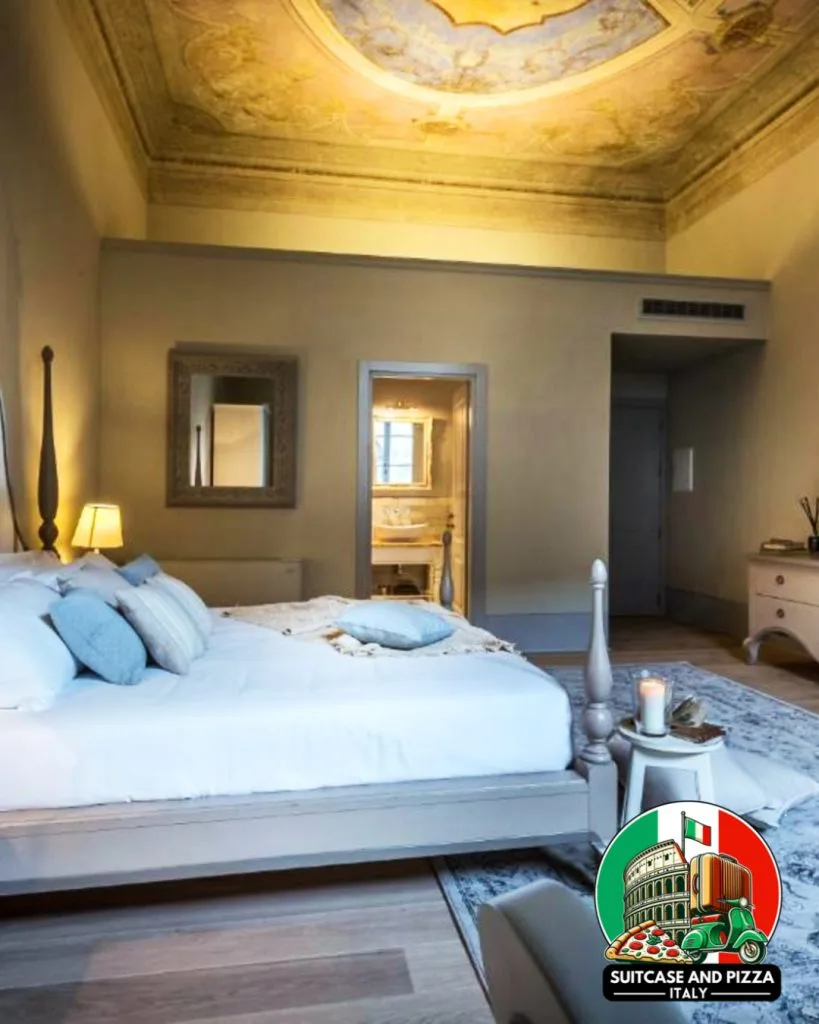
Moreover, navigating a car in central Florence would have been a nightmare, especially with the ZTL (limited traffic zone) restrictions. I avoided the hassle and potential fines of driving in restricted areas.
For those planning a Tuscan road trip starting from Florence, I’d recommend picking up a rental car only when leaving the city.
This strategy not only saved me from unnecessary rental and parking fees but also allowed me to enjoy the city’s charm on foot, unhindered by the concerns of managing a vehicle in a busy urban center.
Hotels in Florence’s City Center
Here are some of our favourite Hotels in Florence near the City Center:
Palazzo Ridolfi – Residenza d’Epoca located a short distance from the main attractions of Florence with stunning rooms and amazing views of the city.
Canto degli Aranci a sustainable accommodation close to the main attractions with a fabulous Italian breakfast.
La Dimora del Mercante a beautiful accommodation located in a historical building, just 10 minutes walk from Accademia Gallery.
Agriturismi Accommodation near Florence
If for any reason you choose to stay in the countryside and not inside the Center of Florence, here are two options not very far from the city.
Poggio Baronti B&B located in Bagno a Ripoli, a beautiful countryside area with beautiful Tuscany sceneries and a pool with a view.
Qui Con Te a holiday home recently renovated from Paterno located outside Florence, perfect for a family with kids or 2 couples.
Siena: Medieval Charm and Elegance
Siena, known for its medieval streets and the famous Palio horse race, offers a dive into history. The city’s accommodations range from historic hotels to modern apartments, all within walking distance of its stunning cathedral and lively piazzas.
Siena stood out to me as a quintessential Tuscan hilltop town, with its Gothic churches and medieval palaces towering above the red brick roofs.
Its historical rivalry with Florence is evident in the city’s splendid architecture and vibrant art scene, deservedly earning it a spot as a UNESCO World Heritage Site.
Our visit to Siena was enchanting, especially as we chose to stay overnight. This decision allowed us to experience the city’s quiet charm in the late evening and early morning, away from the bustling daytime crowds.
I recommend setting an early alarm to explore Siena’s streets in peaceful solitude before the arrival of day-trippers.
Where to stay in Siena: Agriturismo or Hotel in the City Center ?
Deciding between an agriturismo and a hotel in the city center in Siena was a tough call for us.
We ended up staying in an agriturismo just outside the city, which offered a unique, rustic experience.
However, for travelers without a car, particularly those journeying around Tuscany by train, choosing accommodation in the city center of Siena might be more practical and convenient.
Hotels in Siena’s City Center
Here are a few Hotels in Siena near the City Center:
Il Battistero Siena Residenza d’Epoca located in Piazza San Giovanni, in the heart of the city overlooking Siena Cathedral.
B&B Le Logge Luxury Rooms located in the center of the city with elegant rooms with wooden floors and stunning views of the city.
Grand Hotel Continental Siena – Starhotels Collezione a luxury 5 star hotel in the historical center of Siena, with frescoed ceilings and period furnishings.
Agriturismi Accommodation near Siena
Here are some options just outside Siena, including the place where we stayed and which I definitely recommend.
Borgo San Luigi is in the countryside area, between Florence and Siena, and it is our favorite place for a relaxing holiday enjoying the views and the tasty wine.
Borgo San Lorenzo a Linari set in the middle of the green Tuscany countryside, offers a long list of outdoor activities, rustic furniture, and a comfortable tone.
Pisa: More Than Just a Leaning Tower
Pisa, world-renowned for its Leaning Tower, offers a range of accommodations. Here, you can stay in a riverside hotel or a cozy B&B, all while exploring the city’s rich history beyond its famous tower.

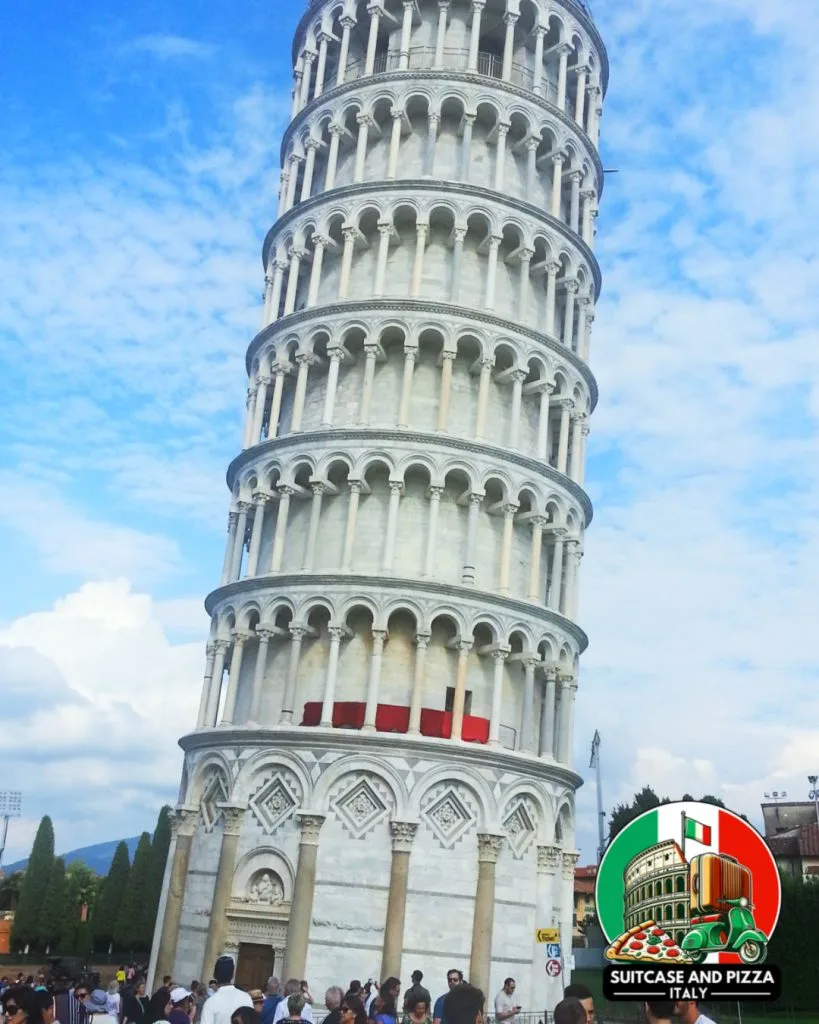
Visiting Pisa was a distinct highlight of my Tuscan journey. Famous for its iconic Leaning Tower, Pisa offered me so much more than I had anticipated.
The city’s vibrant streets, lined with beautiful historical buildings, created a captivating atmosphere.
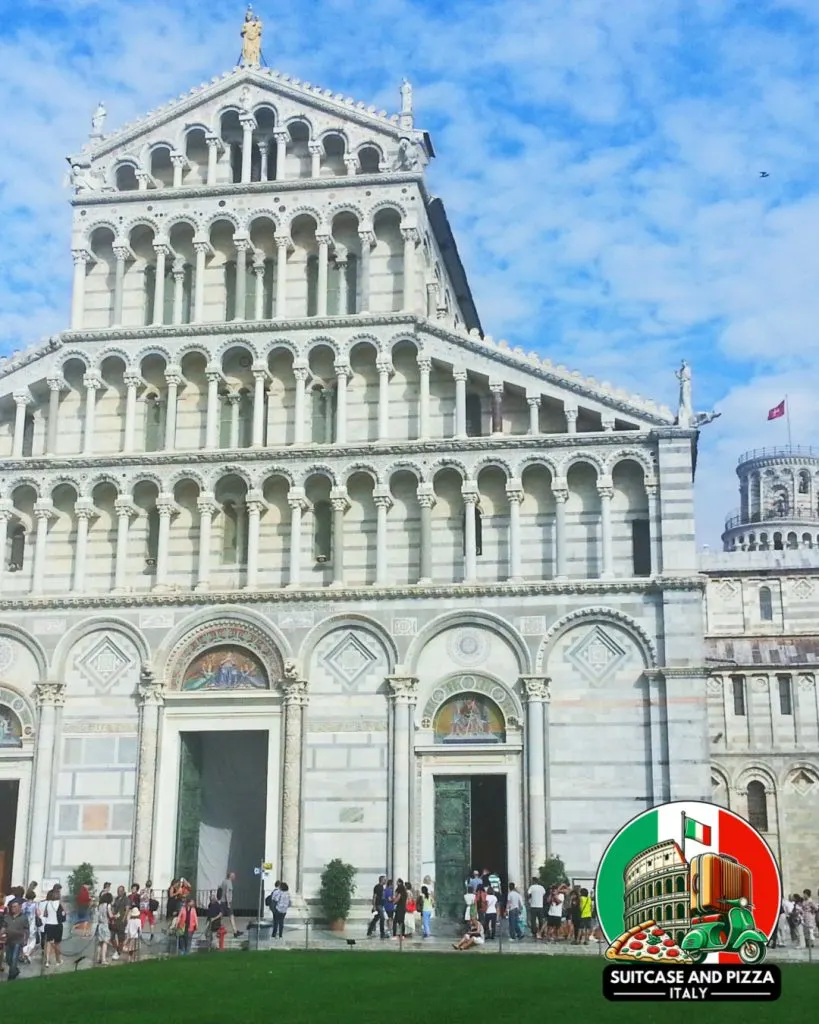
The Piazza dei Miracoli, with its remarkable ensemble of structures, left me awestruck with its architectural splendor and rich history.

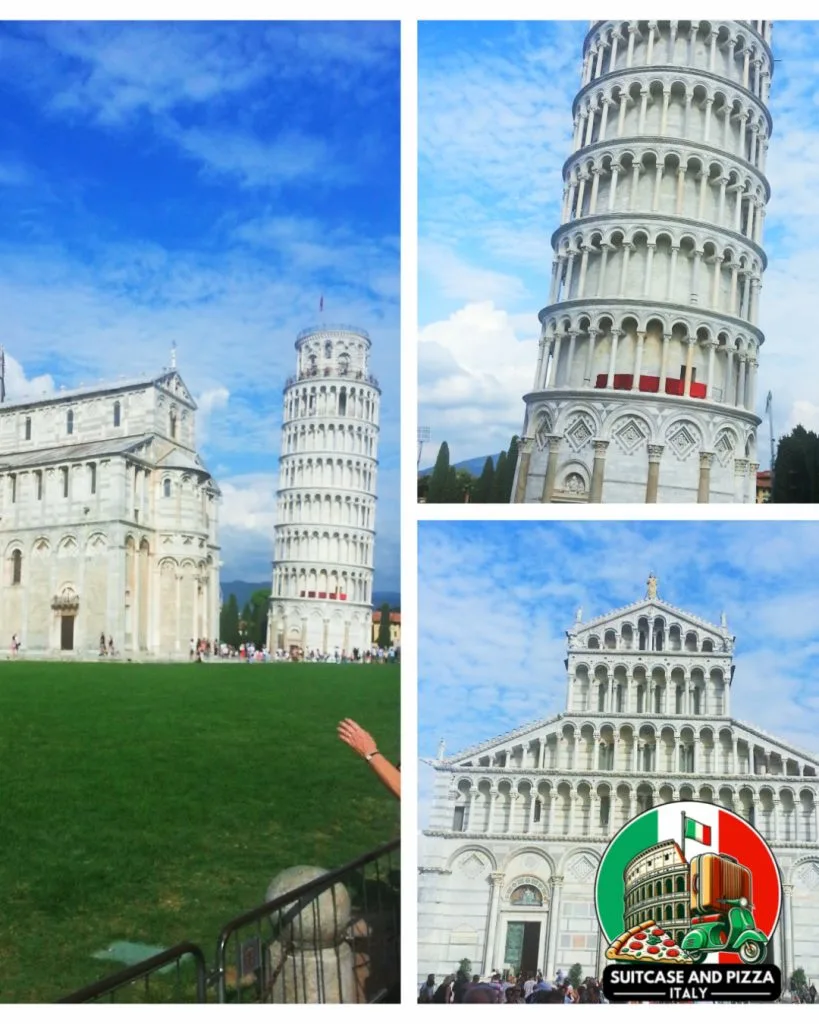
Choosing to stay in Pisa overnight was one of the best decisions I made. The evening brought a serene tranquility to the city, a stark contrast to the daytime bustle.

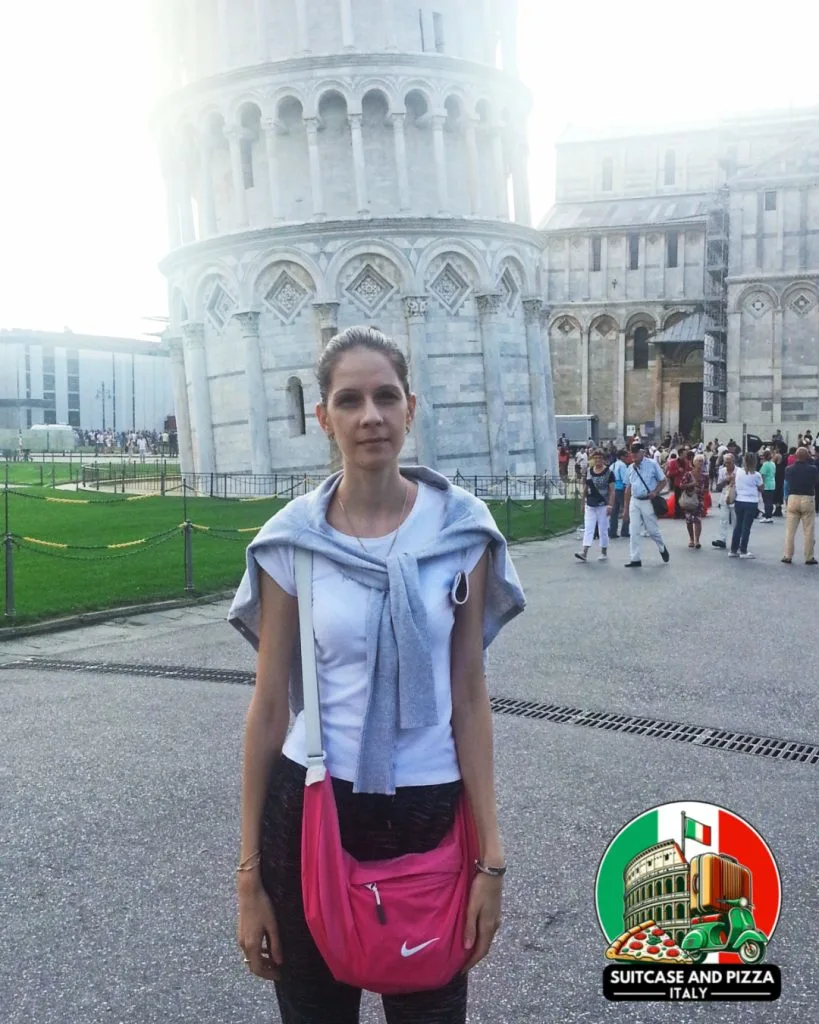

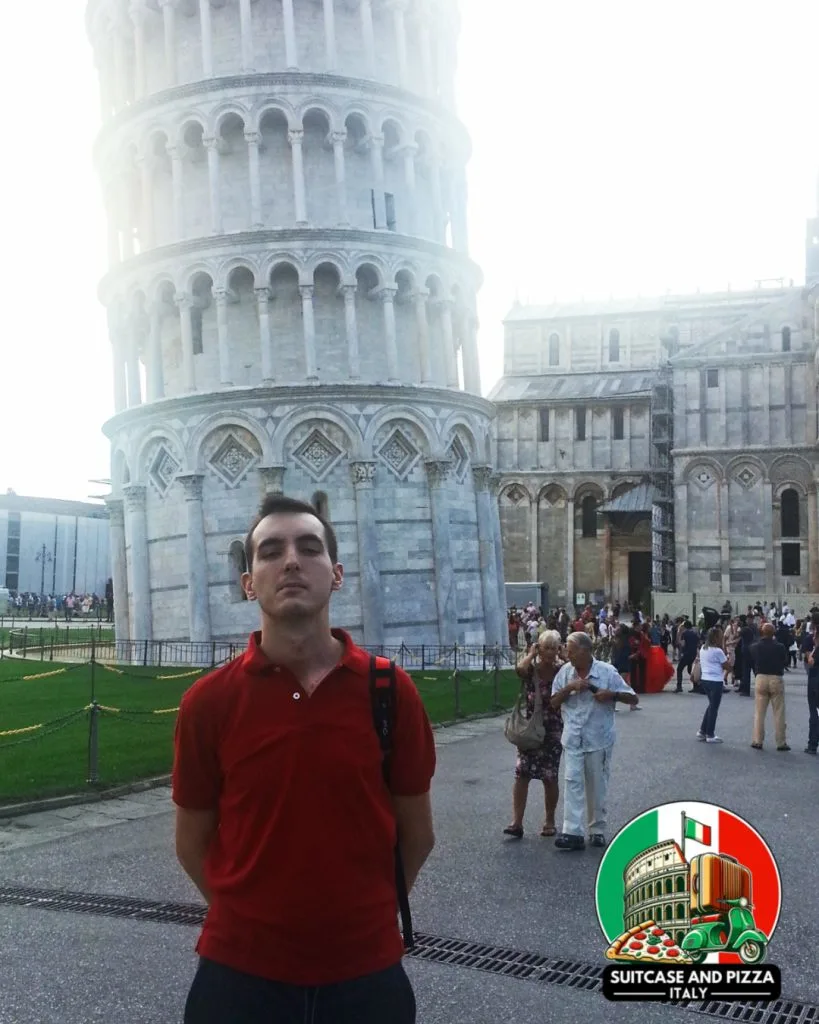
Walking through the quiet streets under the soft glow of streetlights, I felt a deeper connection to the city’s soul.
I highly recommend experiencing Pisa in the early morning hours, when the city awakens gently, offering a peaceful, almost private view of its famous landmarks before the crowds pour in.


Where to stay in Pisa: Agriturismo or Hotel in the City Center ?
When I was deciding where to stay during our trip to Pisa, I weighed the options between an agriturismo outside the city and a hotel in the city center.
We decided to stay in the countryside between Pisa and Lucca and we were delighted with our accommodation at Hotel Villa Cheli.
If you’re someone who enjoys peace and wants to experience the rustic charm of the Tuscan countryside, an agriturismo is a wonderful choice. It offers a serene escape and a taste of rural Italian life.
However, if you prefer easy access to attractions like the Leaning Tower and enjoy being close to city amenities, a hotel in the city center of Pisa is ideal.
It’s convenient for exploring, dining, and experiencing the city’s vibrant atmosphere.
In my opinion, think about what kind of experience you want in Pisa to make the best choice for your stay.
Hotels in Pisa’s City Center
Here are a few Hotels in Pisa near the City Center:
Rinascimento Bed & Breakfast located a few steps from the Leaning Tower and Pisa Cathedral and featuring painted ceilings and cotto tiles.
B&B Di Camilla is a beautiful guesthouse hidden in a garden in the center of Pisa with a historical vibe and stylish interiors.
Palazzo Feroci – Residenza d’epoca is in the center of Pisa, close to the main attractions and all the rooms come equipped with a small kitchinette.
Agriturismi Accommodation near Pisa
Here are some options just outside Pisa, including the place where we stayed and which I definitely recommend.
Hotel Villa Cheli located on the slopes of the green Tuscany hills between Luca and Pisa. It offers stunning views and typical Tuscan rooms.
Bed and breakfast Casa Formica is located in Cascina, about 6.5 km from Pisa on the hills of Tuscany.
Lucca: A Hidden Tuscan Treasure
Lucca, encircled by Renaissance walls, is a hidden gem. Its accommodations, often housed in historic buildings, offer a peaceful retreat from the more crowded Tuscan cities.
Lucca captivated me as a unique gem in Tuscany, distinct from other towns I had visited. Encircled by well-preserved Renaissance walls, the city exuded a sense of historical charm and seclusion.


Its cobblestone streets, lined with quaint shops and cafes, created a warm, inviting atmosphere.
We decided to stay in the countryside between Lucca and Pisa and we were delighted with our accommodation at Hotel Villa Cheli.
Choosing to stay in Lucca overnight is a delightful experience. The evenings are serene, allowing you to wander the ancient streets and admire the luminous facades of historic buildings in peace.
I highly recommend waking up early to enjoy Lucca’s tranquil beauty at dawn, a time when the city reveals its most authentic self, undisturbed by the influx of daily visitors.
Immerse yourself in the historical and cultural richness of Lucca Italy, a town famed for its Renaissance-era city walls and vibrant cultural scene, as highlighted in our comprehensive guide.
Where to stay in Lucca: Agriturismo or Hotel in the City Center ?
Choosing to stay in an agriturismo when visiting Lucca can be a deeply rewarding experience, especially if you’re looking for a taste of the authentic Tuscan countryside.
Agriturismi, nestled in the scenic surroundings, offer a peaceful retreat from the bustling city life.
During our visit to Lucca, we opted to stay in an agriturismo located in the picturesque Tuscan countryside, and it was a decision that greatly enriched my experience.
The tranquility and natural beauty of the rural setting provided a stark contrast to the bustling city life.
Waking up to serene landscapes and enjoying meals made from fresh, locally-sourced ingredients was a highlight of my trip.
I also had the chance to participate in unique activities like wine tastings and cooking classes, which offered a deeper insight into the local culture and traditions.
This immersive experience in the countryside was something I found particularly rewarding, adding a layer of authenticity to my stay that I wouldn’t have experienced in a city center hotel.
Hotels in Lucca’s City Center
Here are a few Hotels near the City Center:
Palazzo Froussard B&B and Living is a sustainable accommodation,located in the heart of Lucca with lift and a shared lounge where you can share your experiences with other guests.
L’antica Bifore is an amazing accommodation located in a 14th century building in the heart of the city. Once a noble residence, it features stone walls, frescoes and antique furniture
Hotel Palazzo Alexander also located in a historic building with antique wood floors and marble bathrooms and offering American buffet for breakfast.
Agriturismi Accommodation near Lucca
Here are some options just outside the city, including the place where we stayed and which I definitely recommend.
Hotel Villa Cheli located on the slopes of the green Tuscany hills between Luca and Pisa. It offers stunning views and typical Tuscan rooms.
Bagni Di Pisa Palace & Thermal Spa – The Leading Hotels of the World is a historic property with pool located outside of Pisa. It is a luxurious hotel with marble and parquet floors and a huge spa with natural hot springs.
Chianti: A Wine Lover’s Paradise
For wine enthusiasts, staying in Chianti is a dream come true. The region’s vineyard estates and country houses offer a serene escape amidst rolling hills and sprawling vineyards.
On our journey through Tuscany, staying in Chianti, located south of Florence, was a highlight that combined my love for wine and the allure of the Tuscan countryside.

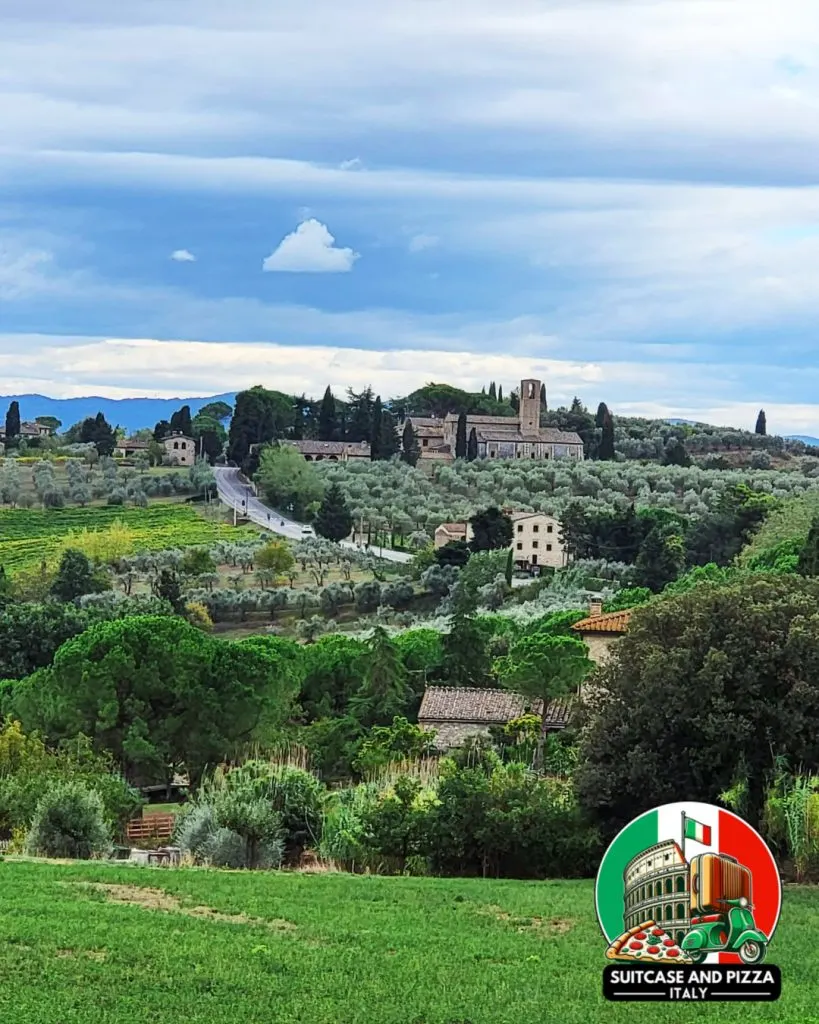
As Italy’s largest wine-producing region, famous for Chianti Classico, the area was a haven for a wine enthusiast like me.
The rolling hills, olive groves, and picturesque farmhouses added to the charm of my stay.

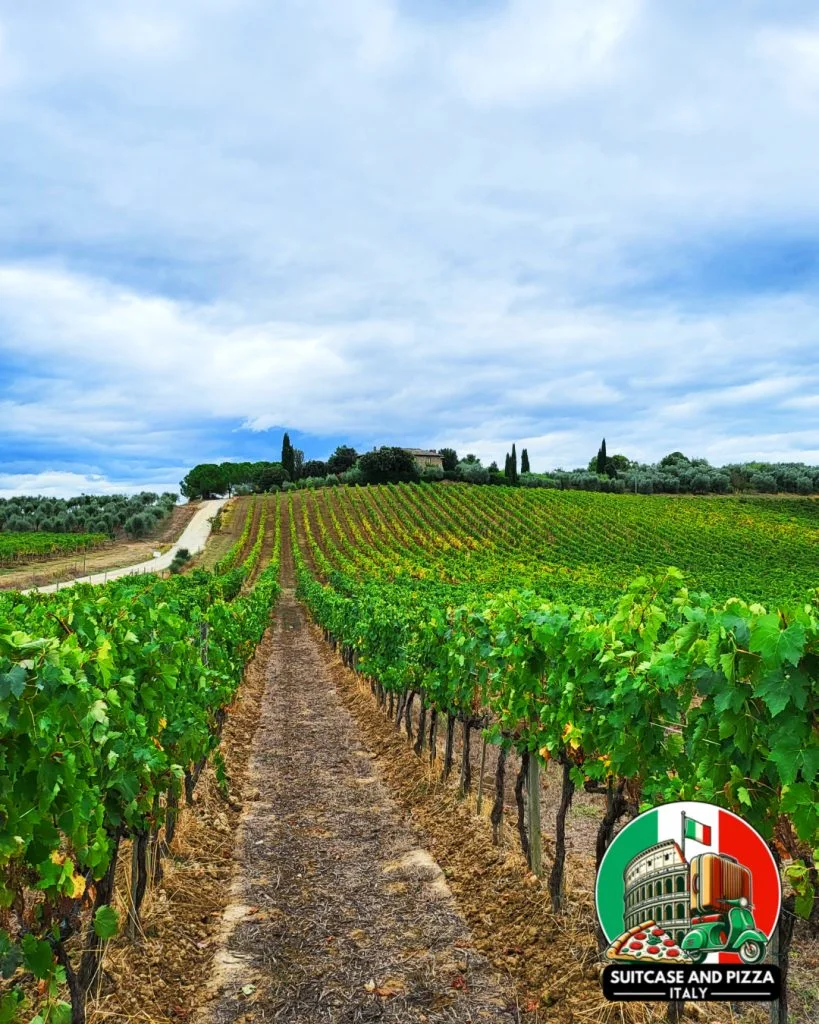
I explored charming towns like Strada and Greve, but the heart of my experience lay in the numerous vineyards and wineries.
Participating in tours and tastings, set against a backdrop of villas and castles, made my stay in Chianti an embodiment of the perfect Italian wine tasting vacation.
The tranquility of the countryside and the warmth of the locals at the agriturismo where I stayed enriched my experience, making it an unforgettable part of my Tuscan adventure.
Where to stay in Chianti: Agriturismo or Hotel in the City Center ?
As there are no “city centers” here your go-to option is agriturismi.
Agriturismi Accommodation in Chianti
Here are some nice accommodations in Chianti region that we considered for our trip:
Borgo San Luigi is in the countryside area, between Florence and Siena, and it is our favorite place for a relaxing holiday enjoying the views and the tasty wine.
Hotel Le Pozze Di Lecchi located in a tranquil location and offers an outdoor pool with fantastic views over the Tuscan hills.
Borgo Vescine is located in the heart of the Chianti Classico’s Gallo Nero area, packed with wines, wine cellars and vineyards. It is located in a 13th century village, a charming establishment with a wine shop and a heated outdoor infinity pool.
San Gimignano and Volterra: The Towns of Fine Towers
San Gimignano, known for its medieval towers, offers a step back in time. Here, you can stay in historic buildings converted into charming accommodations, all while enjoying the town’s unique skyline.
As we ventured into the heart of Tuscany, we found ourselves captivated by these two beautiful hilltop towns: San Gimignano and Volterra.
Nestled amidst the rolling hills of the region, these medieval gems offered a glimpse into the rich history and culture of Tuscany.
San Gimignano
Our first stop was San Gimignano, a UNESCO World Heritage site renowned for its iconic towers.
The town’s skyline was once dominated by over 70 soaring structures, earning it the moniker “Manhattan of the Middle Ages.”

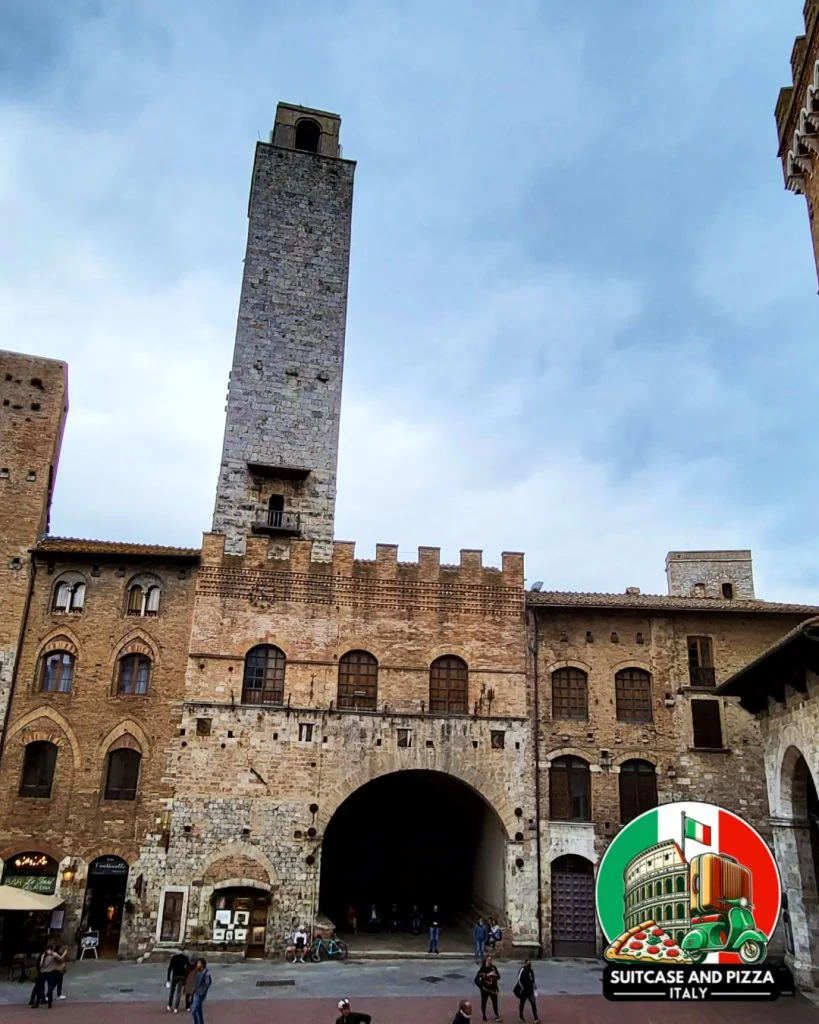
Today, only a few remain, but their presence still exudes an air of grandeur.
We wandered through the labyrinthine cobblestone streets, admiring the medieval architecture and the town’s well-preserved medieval ambiance.
The town’s central square, Piazza del Duomo, was abuzz with activity, with tourists meandering through the market stalls and locals exchanging greetings.
We paused to admire the imposing Torre Grossa, the tallest of San Gimignano’s remaining towers, which offered panoramic views of the surrounding countryside.
Discover the magic of San Gimignano through my personal guide San Gimignano: My Guide to This Amazing Town, where I unveil the hidden gems, rich history, and culinary delights of this enchanting Tuscan town.
Volterra
We continued our exploration to Volterra, a neighboring town steeped in history and culture.
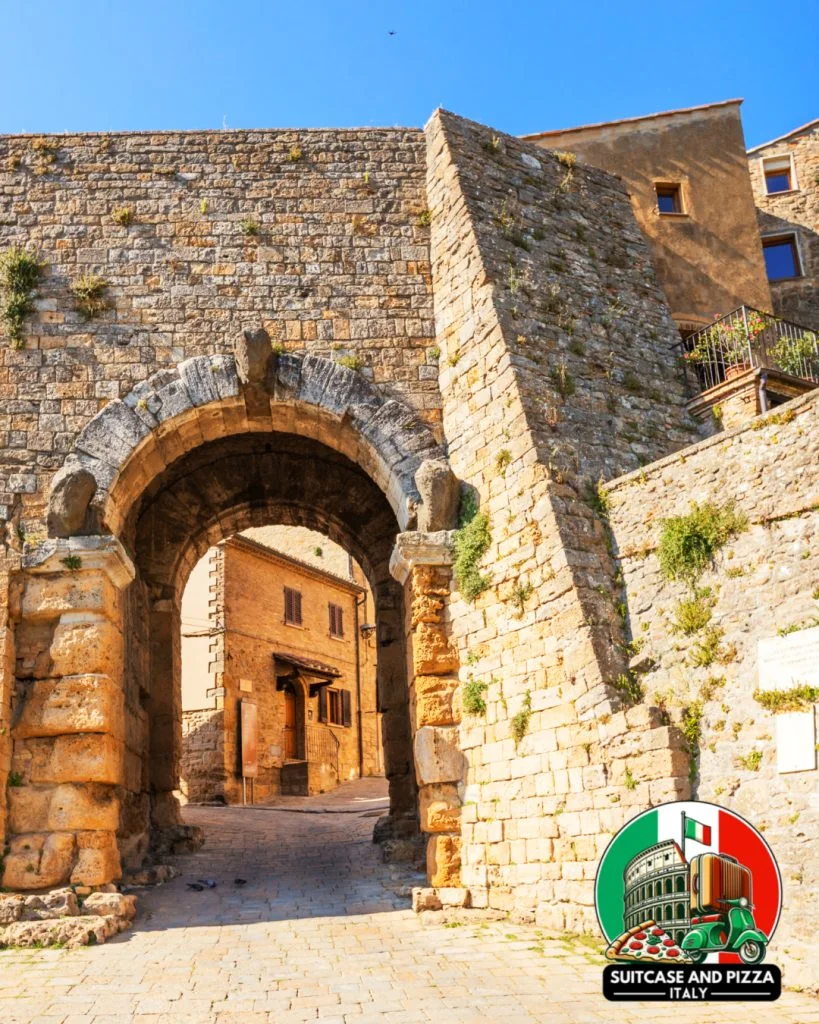
Volterra was once an important Etruscan city, and its rich heritage is evident in its well-preserved Etruscan necropolis and the world-class Etruscan Museum.

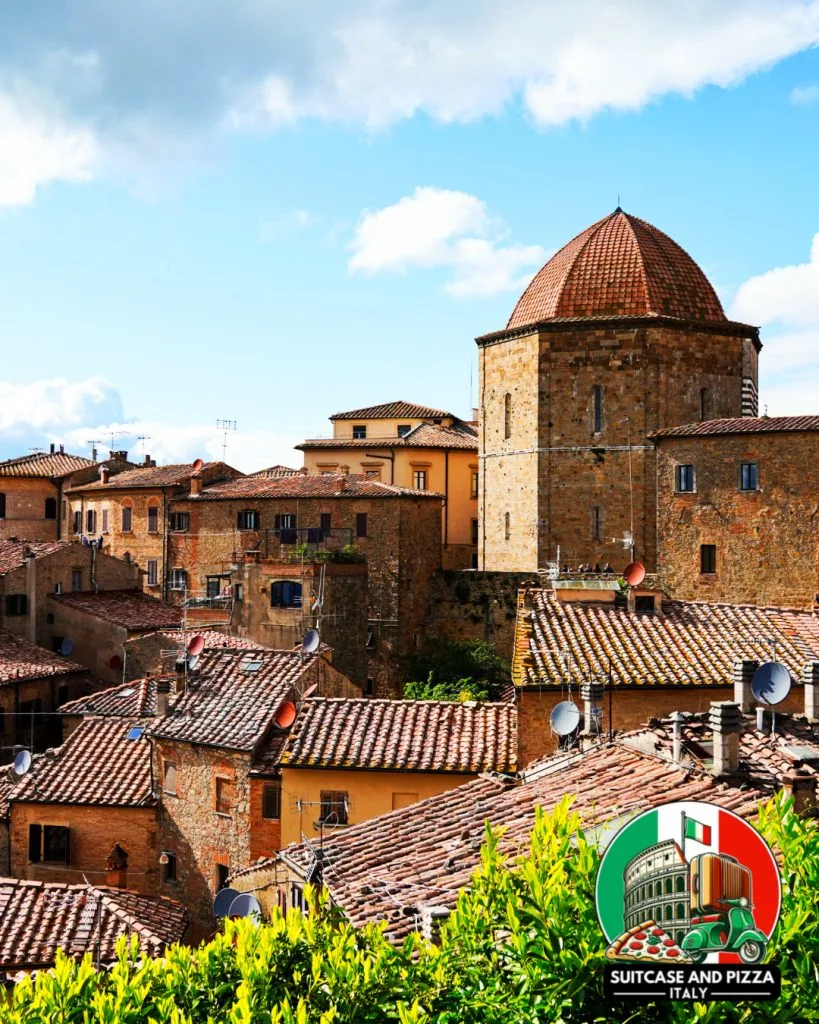
It also boasts impressive Roman ruins, including the remains of an amphitheater and a temple.
We strolled along the ancient walls, imagining the bustling city that once thrived within them. We browsed through the local shops, admiring the handcrafted ceramics, jewelry, and other local treasures.

As we concluded our Tuscan adventure, we felt a sense of contentment and gratitude.
San Gimignano and Volterra had left an indelible mark on our hearts, their blend of history, culture, and natural beauty captivating our senses and leaving us with a yearning to return one day.
In my opinion this is one of the best area to stay in tuscany, but of course it could differ based on your personal taste.
Where to stay in San Gimignano: Agriturismo or Hotel in the City Center ?
You should stay in the agriturismo if you have a car. If you don’t have a car, you can stay in San Gimignano or visit it as a day tryp from Florence or Siena.
Hotels in San Gimignano’s City Center
Here are a few Hotels in San Gimignano near the City Center:
Leon Bianco is located in a 11th century in one of San Gimignano’s main squares. It features wood-beamed ceilings and modern amenities.
Hotel L’Antico Pozzo is located in the heart of the city in a 15th century building fully renovated with amazing interior and unique rooms.
Hotel Bel Soggiorno with its large rooms and delicious restaurant, located in the center of San Gimignano.
Agriturismi Accommodation near San Gimignano
Here are some options just outside San Gimignano, including the place where we stayed
Il Castagnolo B&B with its fantastic views over the Tuscan hills and private pool is the best choice if you don’t want to be far from the city, but want to see the green hills.
Villasanpaolo Resort & Spa is just 5 minutes’ drive from San Gimignano, surrounded by olive trees and featuring and outdoor and indoor swimming pool.
Val d’Orcia: A Picturesque Countryside Retreat
Val d’Orcia, a UNESCO World Heritage site, is a haven of peace and natural beauty. Its accommodations, set in idyllic landscapes, offer a tranquil escape from the hustle and bustle of daily life.
Val D’orcia, located approximately 100 kilometers south of Florence, surprised us with its enchanting beauty during our Tuscany adventure.

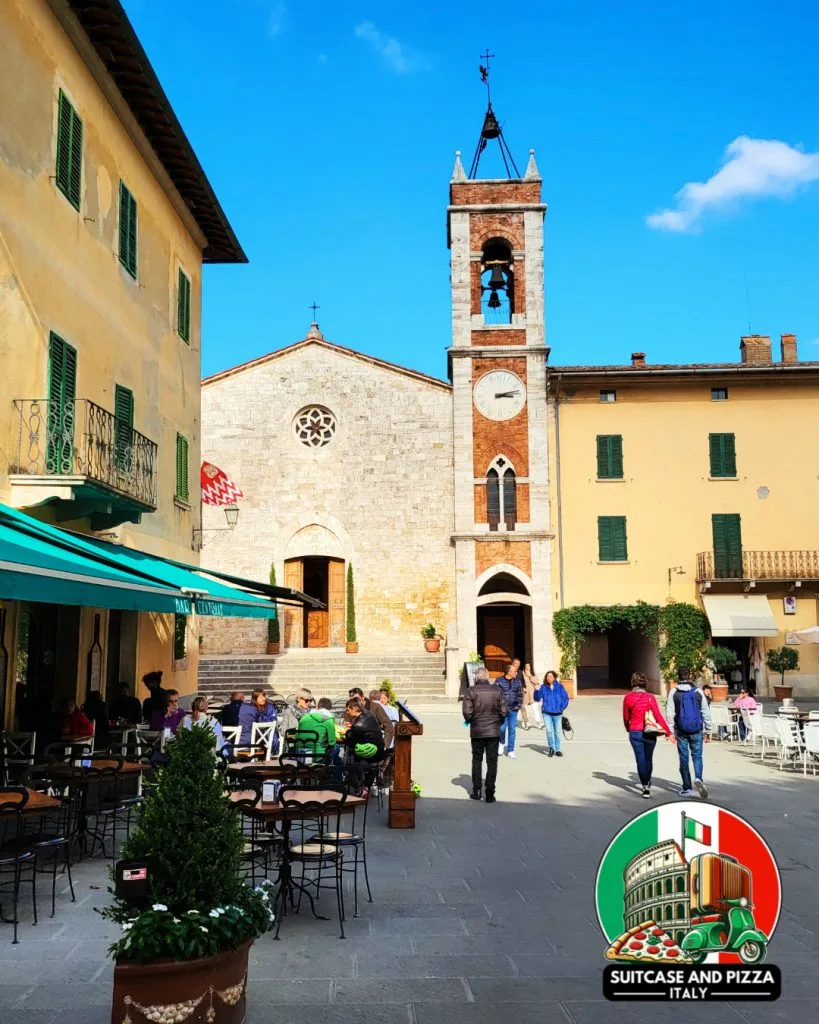
Nestled in the heart of Tuscany, this picturesque region is renowned for its breathtaking landscapes, rolling hills, and idyllic countryside, making it a UNESCO World Heritage site.
Our exploration of Val D’orcia led us to discover its hidden gems and natural splendor. Iconic scenes of cypress-lined roads, vineyards, and golden wheat fields stretched as far as our eyes could see, inspiring countless artists and photographers.
Pienza, a historic town known for its Renaissance architecture and delectable pecorino cheese, was one of our first stops.
Continuing our journey, we encountered the charming village of Montalcino, famous for its exquisite Brunello wine.
Exploring local vineyards and savoring some of Italy’s finest wines provided a memorable experience for our palates.

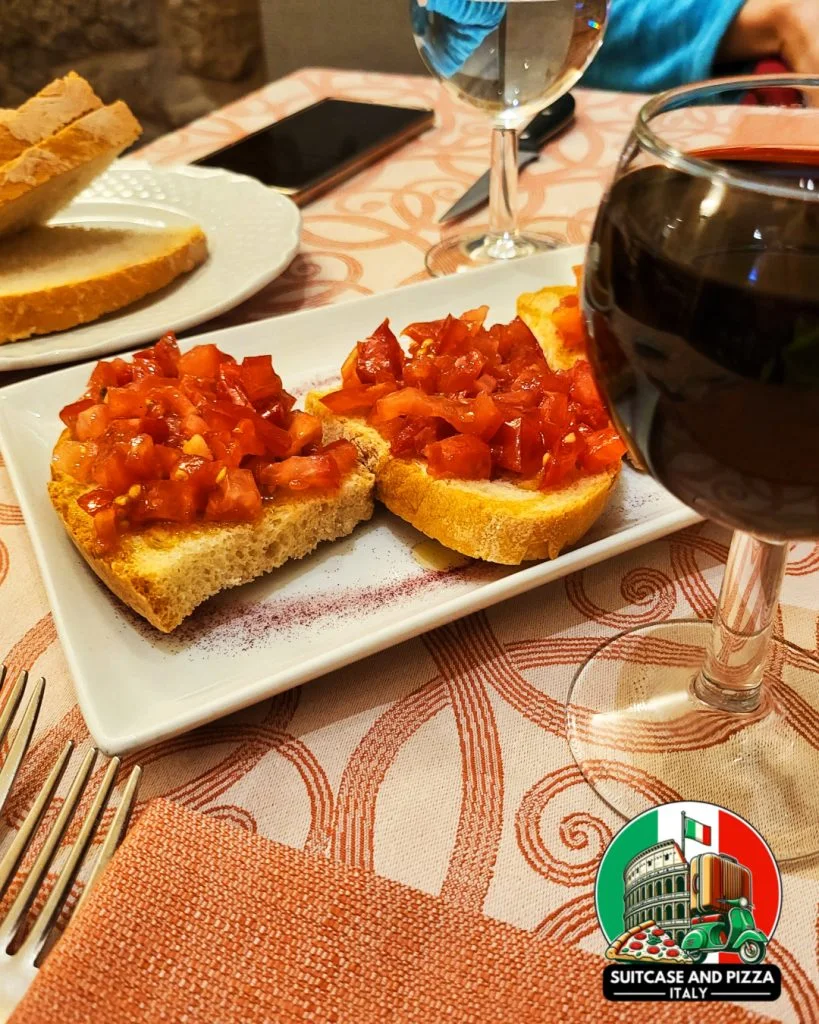
We also indulged in relaxation at the ancient thermal baths of Bagno Vignoni, immersing ourselves in the therapeutic waters and savoring the tranquil ambiance.
Val D’orcia’s serene and unspoiled landscapes left an indelible mark on us, showcasing the perfect harmony between nature and culture.
Whether admiring rolling hills or indulging in local delicacies, our time in Val D’orcia was a journey of discovery and appreciation for the remarkable beauty of this Tuscany gem.
Join me on an enchanting journey through Montalcino in my article, Montalcino a brief introduction and a small guide. Let me be your guide to the town’s treasures and rich history, and discover why this Tuscan gem should be your next destination.
Where to stay in Val d’Orcia: Agriturismo or Hotel in the City Center ?
You should stay in the agriturismo if you have a car. If you don’t have a car, you can stay in Pienza or visit it on a day trip from Siena or Florence.
Hotels in Val d’Orcia City Center
Here are a few Hotels in Val d’Orcia near the City Center:
Il Battistero Siena Residenza d’Epoca located in Piazza San Giovanni, in the heart of the city overlooking Siena Cathedral.
Palazzo Ridolfi – Residenza d’Epoca located a short distance from the main attractions of Florence with stunning rooms and amazing views of the city.
Residenza d’Epoca La Rosa is located in Pienza and features beautiful interiors with rooms equipped a small kitchinette.
Agriturismi Accommodation near Val d’Orcia
Here are some options just outside San Gimignano, including the place where we stayed
Guesthouse da Idolina dal 1946 is located in the historical center of Montalcino, one of the most romantic Tuscan villages overlooking the green hills and vineyards.
Podere Fontecastello is just 1 km from Montepulciano, offering a garden, a swimming pool and self catering. There are also BBQ facilities and outdoor swimming pools.
Travel Tips
To make the most of your Tuscan adventure, here are some tips to keep in mind.
Best Time to Visit Tuscany
The best time to visit Tuscany is during the spring (April to June) or fall (September to October). The weather is pleasant, and the tourist crowds are smaller.
Navigating Transportation in Tuscany
Tuscany’s cities are well-connected by public transport, but renting a car is the best way to explore the countryside. Be sure to familiarize yourself with local driving laws and parking regulations.
Language and Local Etiquette
While many locals speak English, learning a few Italian phrases will go a long way. Also, be mindful of local customs and etiquette, especially when visiting religious sites.
Budgeting for Your Tuscan Getaway
Tuscany offers a range of accommodations to fit various budgets. Plan ahead and book in advance, especially during peak seasons, to get the best deals.
FAQs
What Are the Must-Visit Cities in Tuscany?
Florence, Siena, Pisa, and Lucca are must-visit cities, each offering a unique glimpse into Tuscany’s rich history and culture.
How to Choose the Perfect Accommodation?
Consider your preferences, budget, and the type of experience you want. Whether it’s a luxury villa, a cozy B&B, or a rustic agriturismo, Tuscany has something for everyone.
Tips for First-Time Visitors to Tuscany?
Explore beyond the famous cities, try local cuisine, and immerse yourself in the region’s art and history. Also, be sure to respect local customs and traditions.
How to Experience Tuscany Like a Local?
Stay in smaller towns, interact with locals, and participate in local festivals and events. It’s the best way to experience the authentic Tuscan lifestyle.
Conclusion
Embracing the Tuscan Dream: A Memorable Stay
Tuscany is more than just a destination; it’s a journey into the heart of Italian culture and beauty.
Whether you’re seeking luxury, adventure, or a peaceful retreat, Tuscany offers an experience that will stay with you forever.
So pack your bags, and get ready to explore the best places to stay in Tuscany.